If you have just arrived in Singapore, one of the best ways to understand the country is through its food.
Singapore’s food culture reflects its history. Chinese, Malay, Indian, Peranakan and other influences have come together over generations to create dishes that are now unmistakably Singaporean. You do not need to spend a fortune to experience it: many iconic meals are still served at hawker stalls for just a few dollars.
For a first-timer, these are five local food experiences to put near the top of the list.
1. Hainanese chicken rice
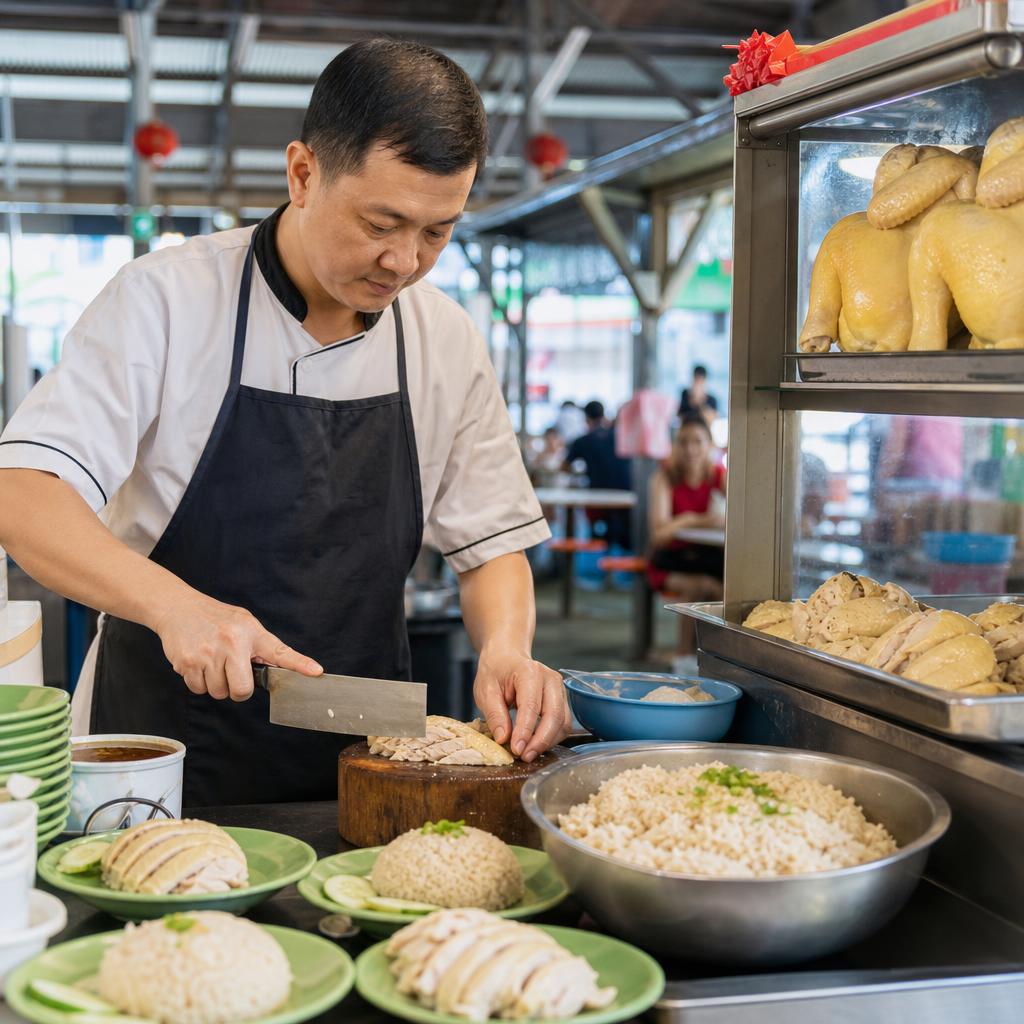
Hainanese chicken rice looks deceptively simple: slices of pale, tender poached chicken beside glossy, fragrant rice, cucumber and a light soy dressing. Small dishes of red chilli, ginger and dark soy usually complete the plate.
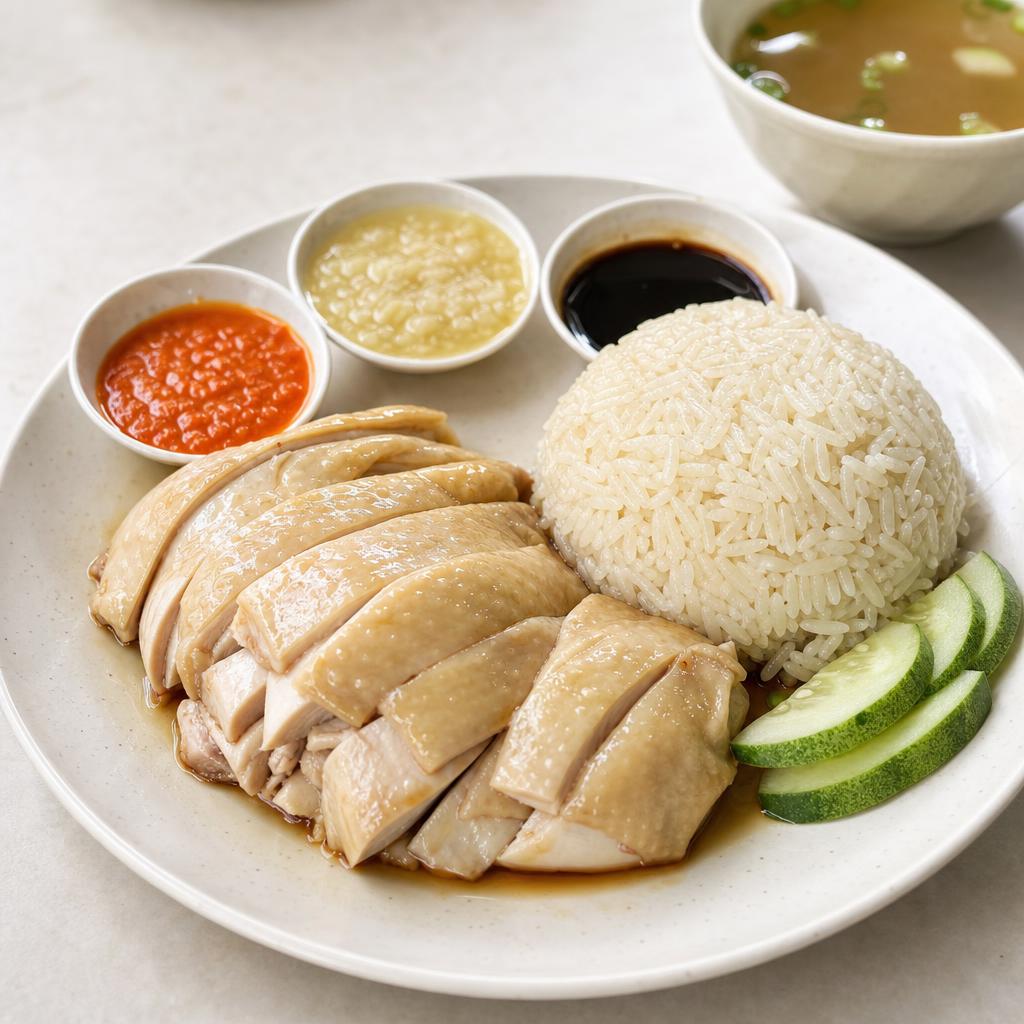
The rice is cooked with chicken stock, aromatics and chicken fat, giving it a flavour of its own. The chicken should be tender and juicy, while the chilli sauce adds a sharp, spicy lift. Although the dish has Hainanese roots, it has evolved into something distinctly Singaporean.
An affordable experience
Tian Tian Hainanese Chicken Rice at Maxwell Food Centre is one of the best-known places to start and remains part of the MICHELIN Guide’s Singapore selection.
- Typical hawker price: around S$5–10 for a simple meal
- Try this if: you prefer gentle flavours with sauces you can add to taste
If you want to splurge
Chatterbox at Hilton Singapore Orchard has served its Mandarin Chicken Rice since 1971. Its hotel interpretation comes with boneless chicken, fragrant rice, chilli, ginger and dark soy.
This is a useful way to see how the same Singapore classic changes from a hawker-centre plate to a polished restaurant presentation.
2. Laksa
Laksa arrives as a bowl of thick rice noodles in an orange-red coconut broth. Prawns, fish cake, tofu puffs, cockles or other toppings may sit above the noodles, often with a spoonful of sambal and fresh herbs.
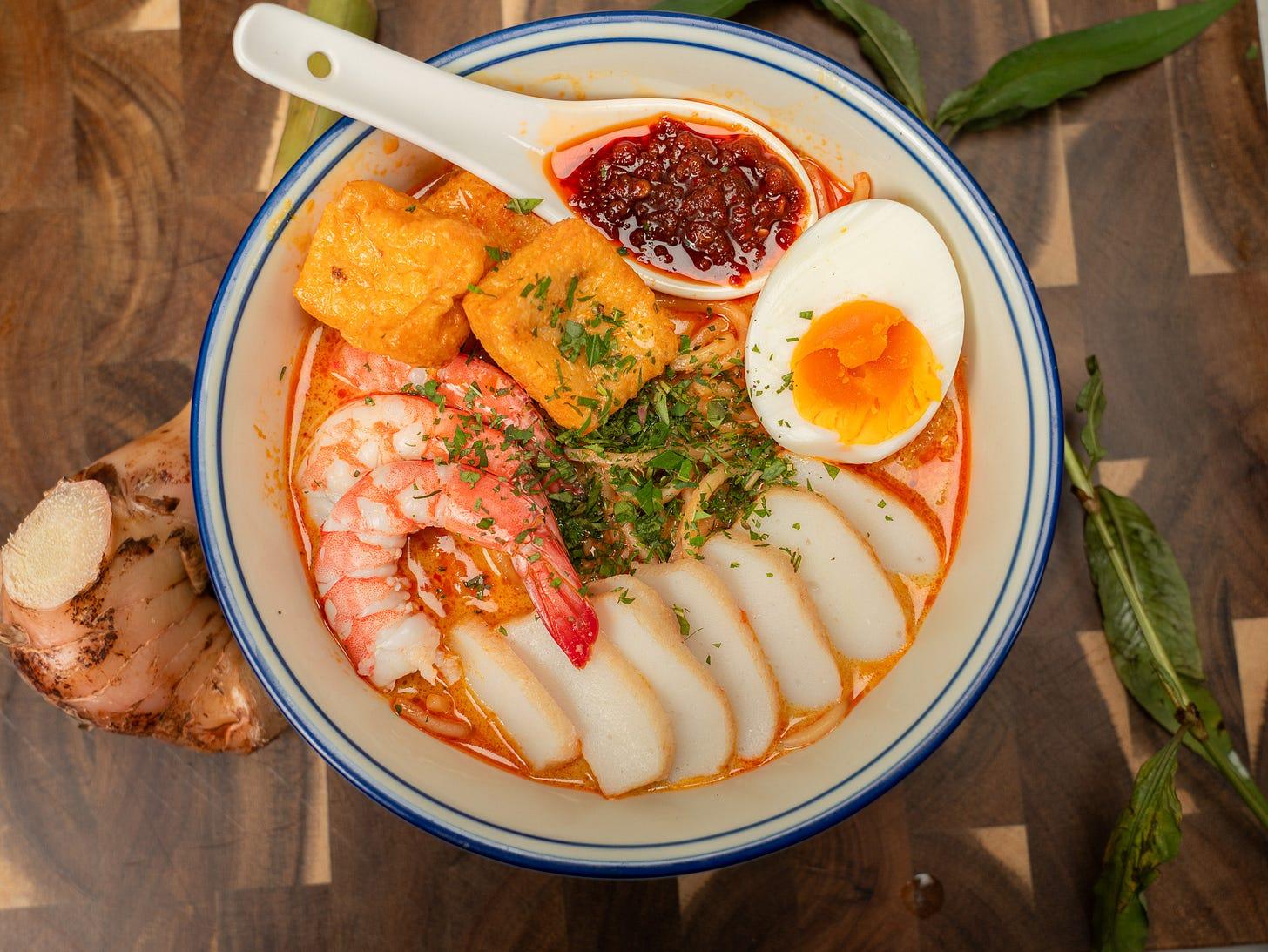
Singapore-style laksa is closely associated with Peranakan culinary tradition and brings together Chinese, Malay and Peranakan influences. Its coconut-milk broth is built on a fragrant spice paste called rempah, producing a flavour that is spicy, creamy and intensely comforting.
An affordable experience
Sungei Road Laksa at Jalan Berseh offers an old-school hawker experience. Katong Laksa on Changi Road is another starting point if you want to explore the East Coast connection with the dish.
A more polished experience
The Coconut Club on Beach Road serves a seafood laksa with rice noodles, clams, tiger prawns and homemade otah in a spicy coconut broth.
- Try this if: you enjoy coconut-based curries and bold Southeast Asian flavours
- First-timer tip: start cautiously with the chilli; the creamy broth can look milder than it tastes
3. Char kway teow
Char kway teow is a dark, glossy tangle of broad flat rice noodles, usually mixed with egg, bean sprouts, Chinese sausage and seafood. The noodles may look slightly charred at the edges from the very hot wok.
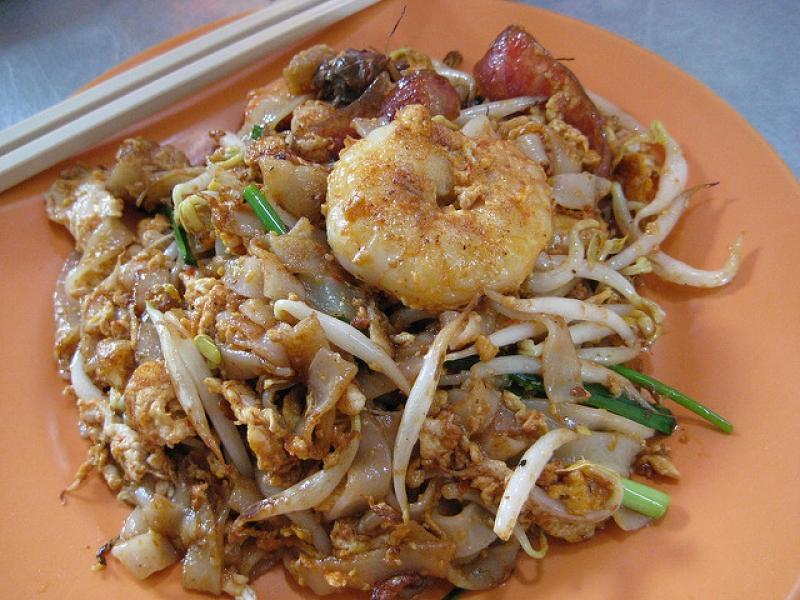
Its defining characteristic is wok hei—the smoky, almost charred flavour created by cooking quickly over intense heat. The finished dish is rich, savoury, slightly sweet and often oily. That indulgence is part of the experience.
An affordable experience
Outram Park Fried Kway Teow Mee at Hong Lim Market & Food Centre and No. 18 Zion Road Fried Kway Teow at Zion Riverside Food Centre are both useful names to know. The MICHELIN Guide’s Singapore selection includes both stalls.
- Typical hawker price: around S$5–10
- Try this if: you like fried noodles, smoky flavours and deeply savoury food
A more comfortable setting
Chatterbox also serves char kway teow, but this is one dish worth trying first at a hawker centre. The sound of the wok and smoky aroma are part of what makes it memorable.
4. Nasi lemak
A nasi lemak plate is colourful and varied: white coconut rice sits beside deep-red sambal, fried anchovies, peanuts, cucumber and egg. Fried chicken, fish, otah or other accompaniments may turn it into a larger meal.
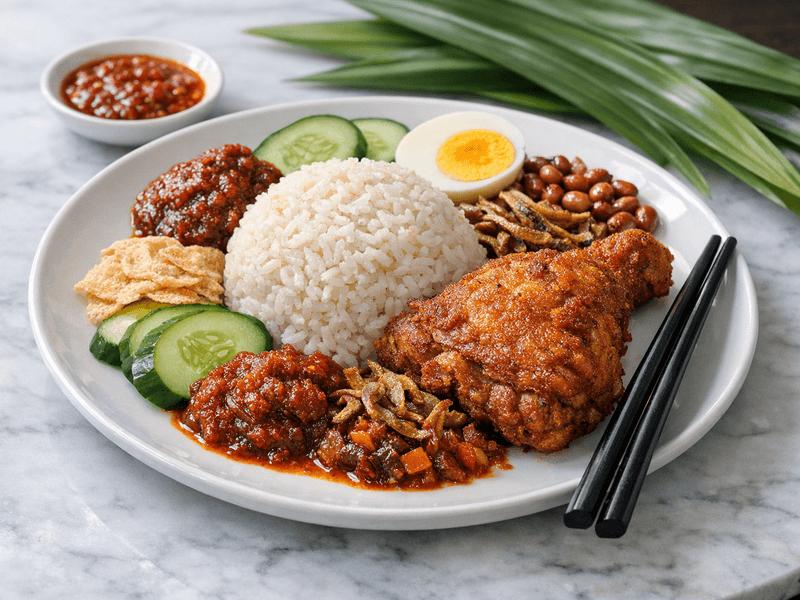
The pleasure comes from combining textures and flavours in one bite: creamy coconut rice, spicy sambal, salty ikan bilis, crunchy peanuts and crisp chicken. It is commonly eaten for breakfast, although it works at any time of day.
An affordable experience
Ponggol Nasi Lemak on Jalan Besar is a familiar option for a traditional meal without restaurant pricing. Neighbourhood hawker centres and coffee shops also offer many variations.
A more elevated version
The Coconut Club’s signature version uses coconut-infused rice, marinated chicken and homemade sambal.
- Try this if: you enjoy coconut, spicy sambal and fried chicken
- First-timer tip: taste the rice with the sambal and accompaniments rather than judging it alone
5. Kaya toast, soft-boiled eggs and kopi
This Singapore breakfast set is easy to recognise: thin rectangles of crisp toast filled with golden kaya and butter, two very soft eggs in a small bowl, and a cup of dark local coffee.
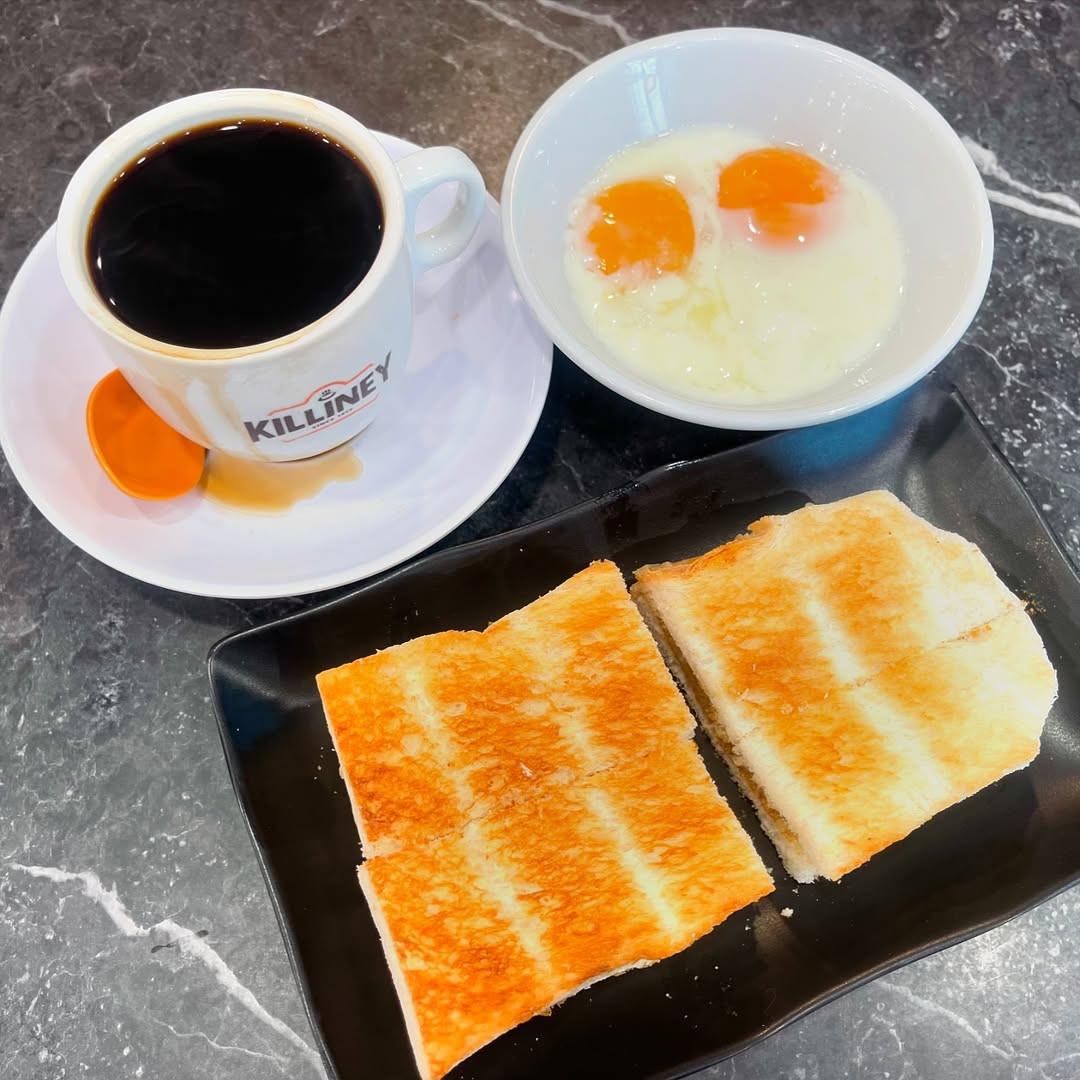
Kaya is a sweet coconut-and-egg jam. The eggs are usually seasoned with soy sauce and pepper, while the coffee is ordered using Singapore’s kopi vocabulary. The meal is simple, affordable and closely tied to the rhythm of an everyday Singapore morning.
An affordable experience
Ya Kun Kaya Toast is an easy starting point because it has outlets across Singapore and a straightforward breakfast-set format. For a more old-school atmosphere, try a traditional coffee shop such as Tong Ah Eating House.
- Typical breakfast set: roughly S$4–7, depending on the shop and order
- Try this if: you want a gentle introduction to local breakfast culture
This is one experience that does not need an expensive upgrade. Its charm is sitting at a simple coffee shop, dipping toast into eggs, sipping kopi and watching Singapore wake up.
Discover the city one plate at a time
Do not think of Singaporean food as something experienced only in restaurants. Many of the country’s most important traditions live in hawker centres and neighbourhood coffee shops, where culinary knowledge has passed between generations.
Try one meal at a hawker centre, one at a neighbourhood coffee shop and one at a good sit-down restaurant. You will get three different perspectives of the same city—and perhaps the best way to discover Singapore, one plate at a time.
Prices, menus, opening hours and MICHELIN listings can change. Check directly with each venue before making a special journey.
Looking for more ideas beyond Singapore's famous attractions? Explore What's Hot in Singapore for upcoming events, new experiences, weekend activities and more ways to discover the city.
Sources and further reading
Menus, prices, outlet details, dietary information and opening hours can change. Check directly with each venue before visiting.
Where to verify: This article is general editorial information, not legal, immigration, medical or financial advice. Requirements can change. Check the relevant Singapore government agency or a qualified professional for advice about your situation.