Moving to Singapore can be exciting, but it can also be surprisingly lonely—especially for women who relocate after marriage, leave a career behind and spend much of the day at home while their children are at school and their partners are at work.
Back home, friendships may have grown naturally through neighbours, cousins, colleagues, school friends, family functions, festivals and spontaneous plans. Singapore can feel different. People are busy, calendars fill quickly and even weekends can disappear into work, school and family commitments.
Begin with familiar communities
Indian communities in Singapore are large, diverse and active. Regional, cultural and religious groups can offer a familiar starting point through language, food, traditions and celebrations.
Look for public events and community organisations connected with the culture you know—whether that is Gujarati, Bengali, Sindhi, Punjabi, Tamil or another regional identity.
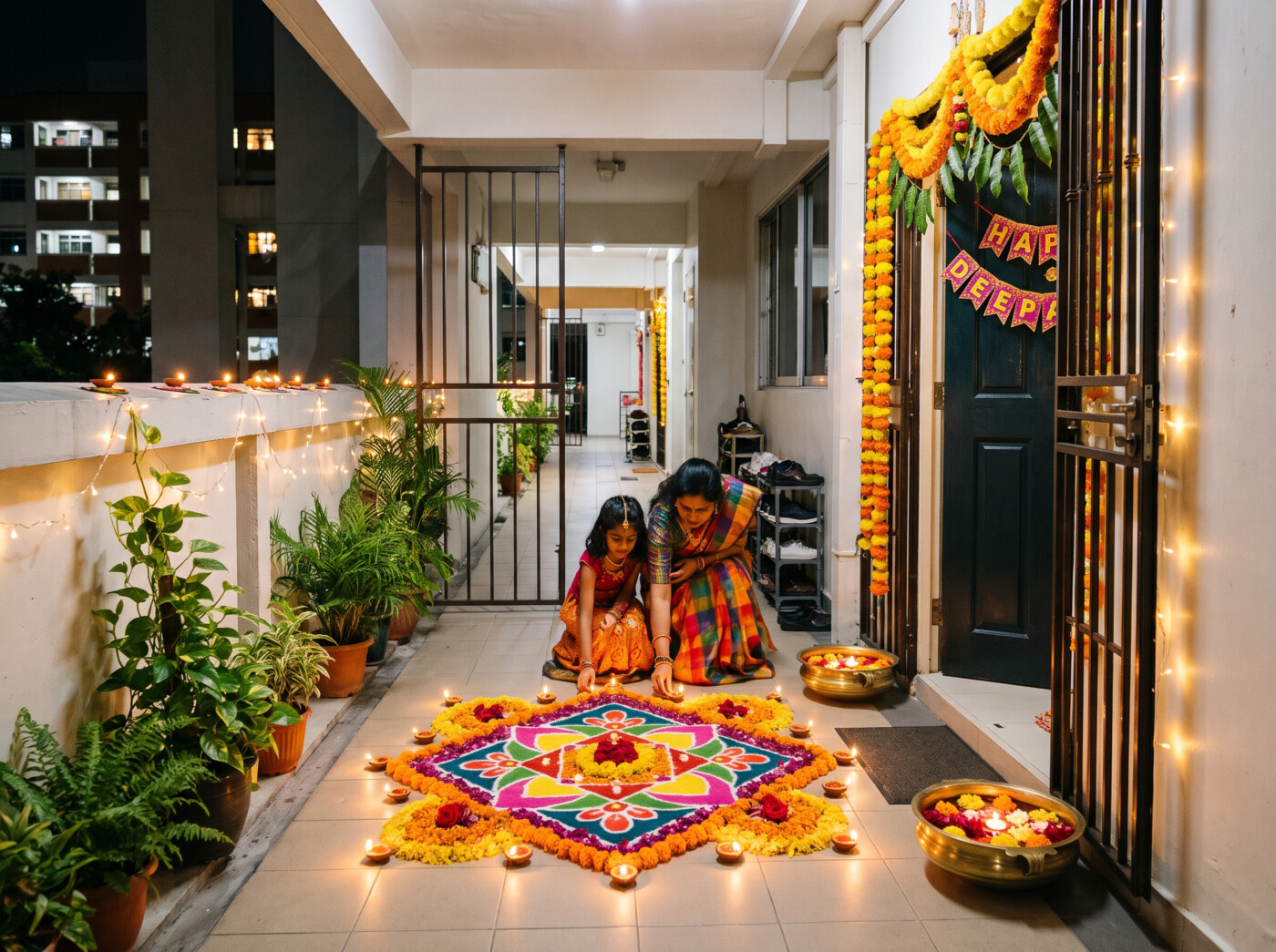
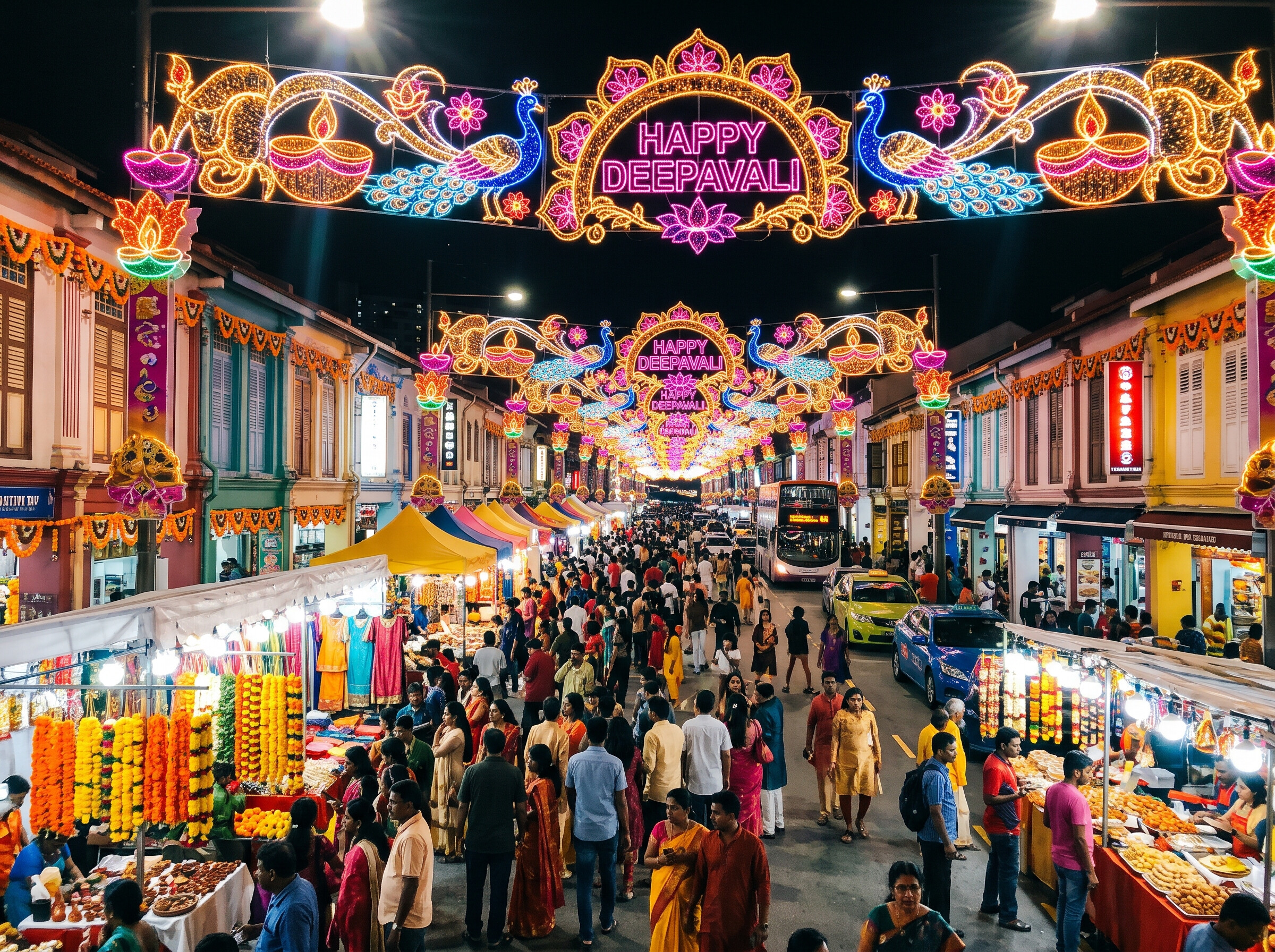
Festivals can be one of the easiest doors into these communities:
- Diwali
- Durga Puja
- Navratri
- Pongal
- Baisakhi
- Onam
- Ganesh Chaturthi
- Regional new-year celebrations
You do not necessarily need to know somebody before attending. Find out which events are open to the public or new members, then go once without putting pressure on yourself to make an instant connection.
Start with the people already around you
You may know more people than you think. Your child’s school can be one of the easiest places to begin.
If your child gets along well with another child, introduce yourself to the parent. A simple invitation—“Our children seem to get along. Would you like to have coffee sometime?”—can be enough.
You do not have to become close friends immediately. Begin with coffee, then perhaps lunch or a playdate. Friendship usually develops through repeated, ordinary interactions rather than one perfect conversation.
Let children’s activities become a social bridge
School events, birthday parties, playdates, sports, tuition, music, swimming, dance and parent groups all create natural opportunities to meet other adults.
The first conversations may feel practical: comparing classes, tutors or school schedules. Over time, those small exchanges can develop into friendship.
Do not restrict yourself to mothers from your own nationality. Indian, Singaporean, Chinese, Malay, Malaysian, Australian and other parents may all share the experience of raising children and trying to build a meaningful life around demanding family schedules.
Find people through your interests
Cultural familiarity can make a new country feel less intimidating, but shared interests often create deeper connections.
Think about what you genuinely enjoy:
- Reading, writing or theatre
- Yoga, running, dance or fitness
- Cooking, gardening or photography
- Art, travel or learning languages
- Volunteering or community work
- Entrepreneurship or professional development
Look for a class, volunteer opportunity or interest group that meets regularly. People’s Association community activities and courses can be useful starting points, alongside independent groups and local organisations.
Use food as a simple invitation
For many Indians, food is a social language. A conversation about where to find good dosa, Bengali sweets, Gujarati food or Punjabi cooking can quickly create common ground.
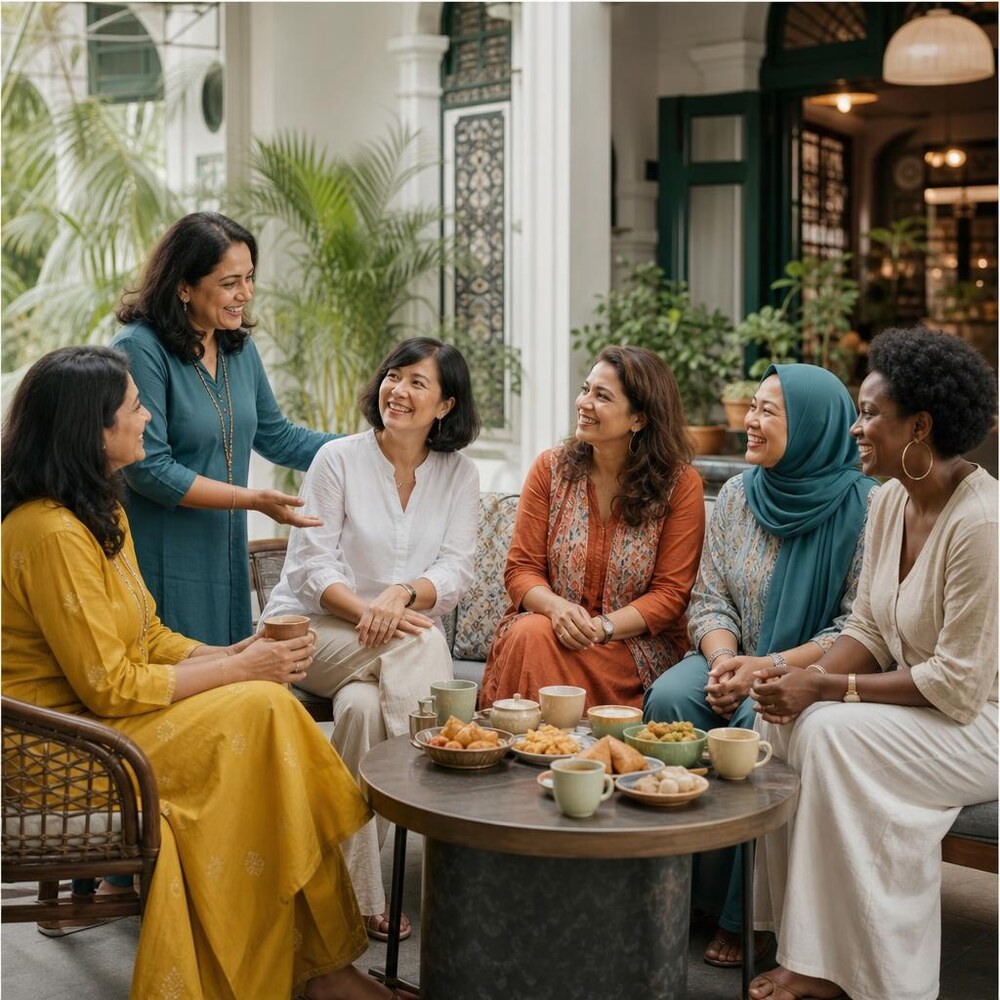
Invite two or three people for chai. Share something from your region, organise a small potluck or ask somebody where they buy a particular ingredient.
You do not need to host a grand dinner. Chai and conversation are enough.
Turn festivals into a social calendar
If you feel isolated, do not wait for somebody else to invite you. Look at the cultural calendar, attend an event and consider volunteering.
The first time, you may know nobody. The second time, you may recognise a few faces. The third time, somebody may remember your name.
That repetition is how a gathering becomes a community.
Understand Singapore’s social rhythm
Friendships in Singapore may not feel exactly like friendships back home. People work long hours, children have busy schedules and families often plan their free time well in advance.
Someone may genuinely like you and still take several days to reply. Another person may be warm when you meet but unavailable for a spontaneous coffee. Do not immediately interpret a full calendar as rejection.
The rhythm of social life may simply be different.
Give emotional closeness time
Relocation can mean leaving behind parents, siblings, childhood friends, colleagues, familiar neighbourhoods and years of shared history.
A new friend in Singapore may have a very different experience. She may have lived here for decades, have family nearby or already have an established social circle.
Do not expect every new friendship to provide the familiarity you had back home immediately. That kind of trust takes time.
Build a network, not one perfect friendship
Loneliness can make the first warm person feel disproportionately important. Try not to expect one new friend to become your emergency contact, weekend companion, travel partner, children’s playdate organiser and entire emotional support system at once.
Build a wider network instead:
- A friend for coffee
- Someone you meet at festivals
- A walking or exercise companion
- A professional contact
- A school parent you see regularly
- A neighbour you can call for practical help
Some of these relationships may deepen naturally. Others may remain light but still add warmth and connection to everyday life.
Adapt without losing your culture
Singapore has its own social norms. People may be more conscious of personal space, plan further ahead or have different expectations around privacy, invitations and visiting somebody’s home.
You do not need to abandon your culture. It simply helps to understand the culture around you rather than measuring every interaction against how things happened in India.
If you know nobody, follow three steps
Step 1: Choose one community
Find one regional association, cultural organisation, community activity or interest group. Attend without expecting to make friends immediately.
Step 2: Make one invitation
When you meet somebody you like, suggest a specific, low-pressure plan: “It was lovely meeting you. Would you like to have coffee next week?”
Step 3: Repeat
Friendship depends on familiarity. One event may not change your social life, but returning to the same place can.
Step beyond the Indian community too
An Indian community can provide comfort and familiarity, while Singapore offers the opportunity to know people you might never have met in India.
Make friends with Singaporeans and people from different parts of Asia and the world. Learn how other families live, try different food and celebrate somebody else’s festival. Share your own traditions too.
The goal is not to choose between Indian friends and Singaporean friends. It is to create a life with room for both.
Change the questions you ask
Instead of asking, “Why does nobody invite me?”, ask, “Whom can I invite?”
Instead of asking, “Why don’t I have a social circle?”, ask, “Where can I consistently show up?”
Instead of asking why friendships here do not resemble those in India, ask what kind of friendships you can build in this stage of life.
Most social circles began somewhere: somebody invited a new acquaintance for coffee, joined a class, organised a meal or welcomed a new parent into a group.
If you are new, do not wait for the perfect invitation. Show up, say hello, ask questions, invite people and go again.
Over time, Singapore can stop feeling like the place where your partner works and your children attend school. It can become a place where you have people, relationships and a life of your own.
Looking for more ideas beyond Singapore's famous attractions? Explore What's Hot in Singapore for upcoming events, new experiences, weekend activities and more ways to discover the city.
Sources and further reading
Activities, schedules and participation requirements can change. Check current details with the organiser before attending.
Where to verify: This article is general editorial information, not legal, immigration, medical or financial advice. Requirements can change. Check the relevant Singapore government agency or a qualified professional for advice about your situation.