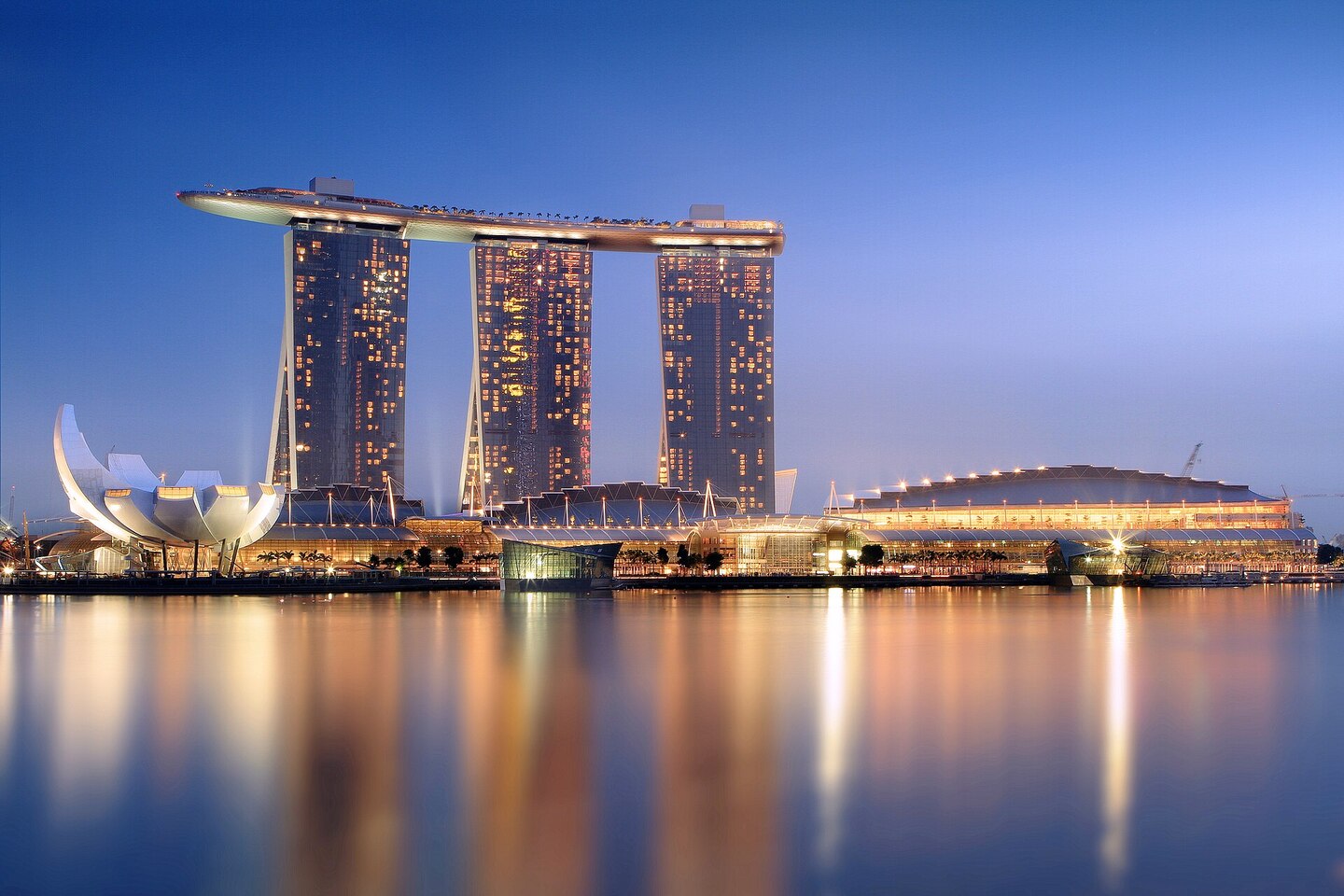
Main photo: Moneysha26 / Wikimedia Commons · CC BY-SA 4.0. Resized for web display.
A cheerful greeting is sent, someone replies, “Actually, it’s Deepavali,” and another chimes in, “We’ve always called it Diwali.” Suddenly, a simple exchange of good wishes opens up a doorway into language, history, and regional identity. Why do two names for the same cherished festival spark such lively discussion, and what do they tell us about the rich tapestry of the celebration?
Two Names, Shared Roots: The Linguistic Difference
To understand the difference between Deepavali and Diwali, we can look to their linguistic origins.
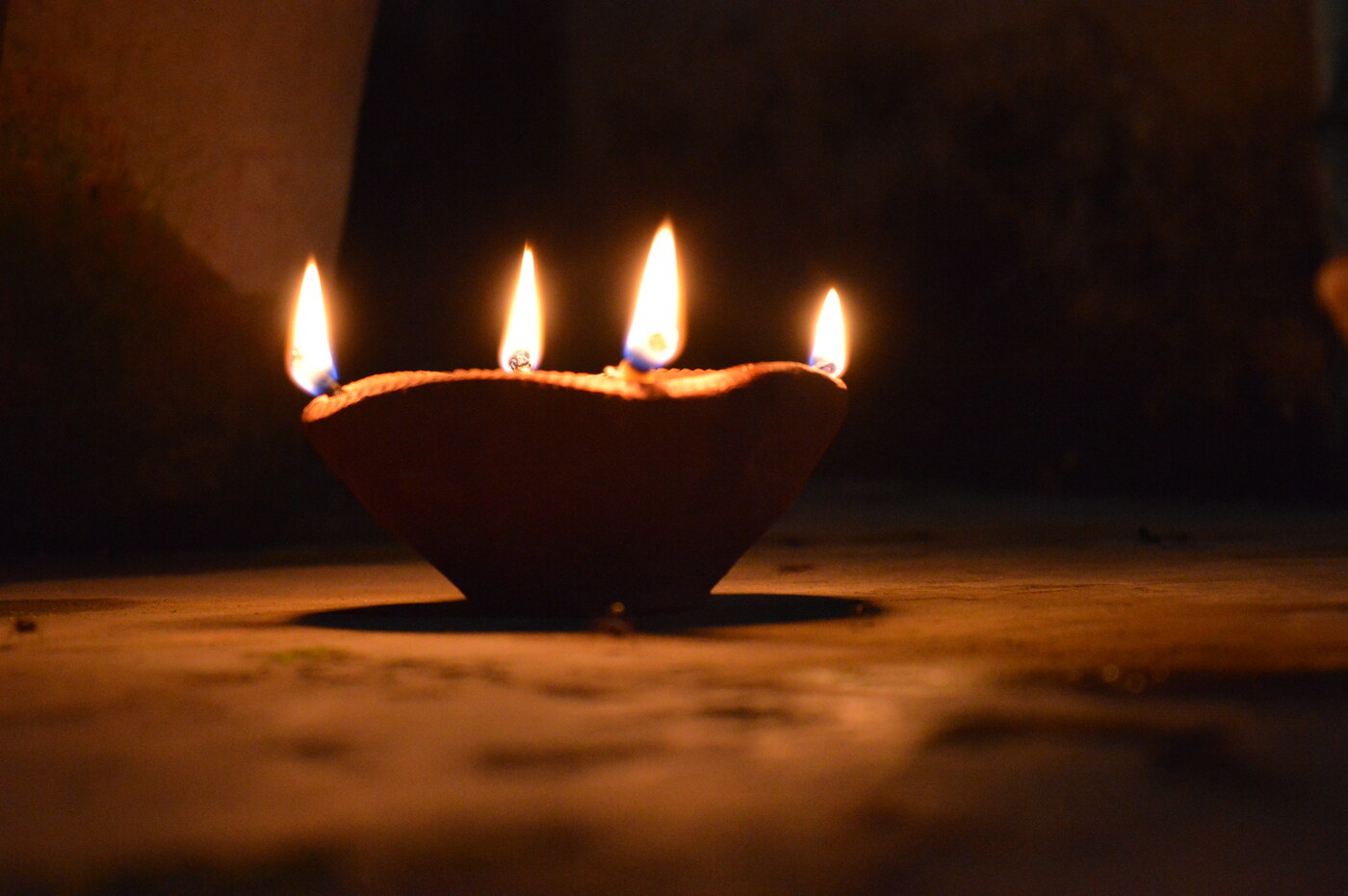
Both names stem from Sanskrit. Deepavali is a compound word formed from dīpa (meaning lamp, light, or earthenware oil lamp) and āvali (meaning a row, continuous line, or series). Translated literally, it means “a row of lights.”
Deepavali preserves the full, classical Sanskrit form. It is widely used across many southern Indian communities—such as Tamil-speaking, Telugu, Kannada, and Malayalam households—and holds official status as the public holiday name in places like Singapore.
Diwali is a phonetic evolution and shortened form that developed naturally over centuries, particularly across northern, central, and western India. Through regional linguistic shifts (known as Apabhramsha), the fuller dīpāvali softened and compressed into Diwali (or Divali).
Neither name is more "correct" than the other. They are simply different branches of the same linguistic tree, shaped by the diverse languages and dialects that grew across the subcontinent. Today, families move, languages mingle, and people often use both names interchangeably without missing a beat.
Diverse Stories, Shared Light: How India Celebrates
The variety of the festival goes far beyond spelling or pronunciation. Because India is vast and culturally diverse, the Festival of Lights commemorates different historical and mythological milestones depending on the region. Yet, beneath these diverse stories lies a unified theme: the triumph of light over darkness, good over evil, and knowledge over ignorance.
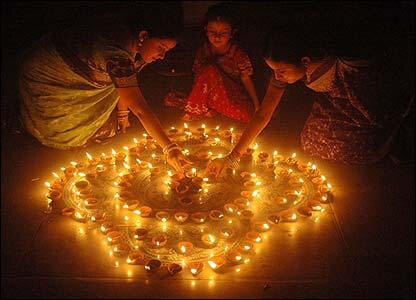
Northern and Central India: The Return to Ayodhya
In many northern traditions, the festival marks the triumphant return of Lord Rama, Sita, and Lakshmana to the kingdom of Ayodhya after 14 years of exile and the defeat of the demon king Ravana. According to legend, the jubilant townspeople lit rows of earthen diyas (lamps) to guide the rightful king home on a dark, moonless night. Here, the celebrations are grand and vibrant, featuring bursting firecrackers, intricate rangolis at doorsteps, and prayers dedicated to Goddess Lakshmi and Lord Ganesha for prosperity and wisdom.
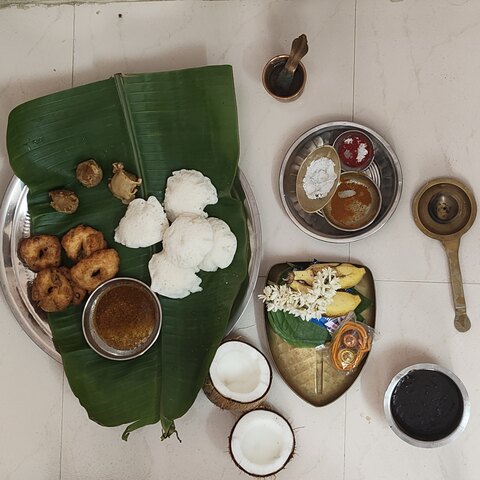
Southern India: The Victory Over Narakasura
In many southern traditions, the heart of the celebration lies on Naraka Chaturdashi (the day before the new moon), commemorating Lord Krishna, his wife Satyabhama, and Mother Earth’s victory over the tyrant demon Narakasura. The day begins remarkably early—often before sunrise—with a traditional oil bath known as Ganga Snanam (symbolizing purification in the holy Ganges), followed by wearing brand-new clothes, lighting sparklers at dawn, and sharing traditional sweets.
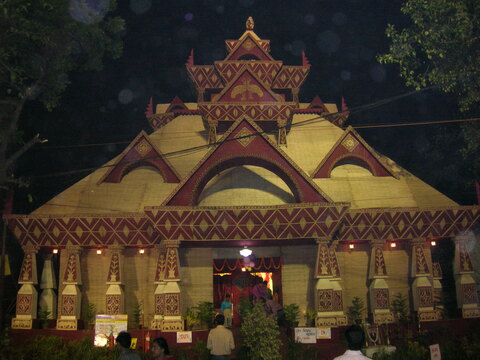
Eastern India: Devotion to Goddess Kali
In regions like West Bengal, Odisha, and Assam, the night of the festival is deeply intertwined with Kali Puja. While Lakshmi Puja is widely observed elsewhere, eastern households frequently invoke Goddess Kali, the fierce embodiment of divine energy and the destroyer of ego and ignorance, seeking her protection and spiritual strength.
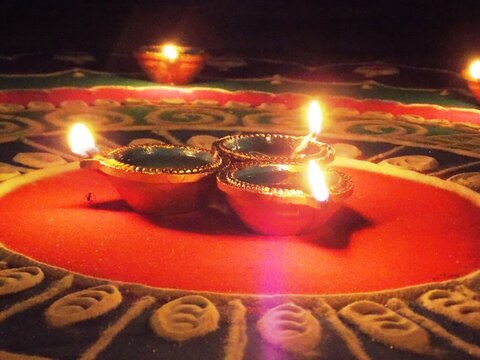
Western India: New Beginnings and Business
In states like Gujarat and Maharashtra, the festival coincides with the closing of the old financial year and the arrival of the new one. Business owners perform Chopda Pujan—blessing their new account ledgers—and celebrate Bestu Varas (Gujarati New Year), focusing on gratitude, fresh business ventures, and community harmony.
Why the Debate Gets Personal
When people debate these names, it is rarely just about grammar or linguistics. A familiar word can hold an entire childhood: the scent of jasmine flowers and oil lamps, the sound of relatives arriving, freshly swept floors, and the excitement of wearing brand-new clothes.
Use the name that feels most natural to your hosts, friends, or community. If you are in Singapore, “Happy Deepavali” fits seamlessly into the local rhythm. If you grew up saying “Happy Diwali,” it carries an equally warm and affectionate wish.