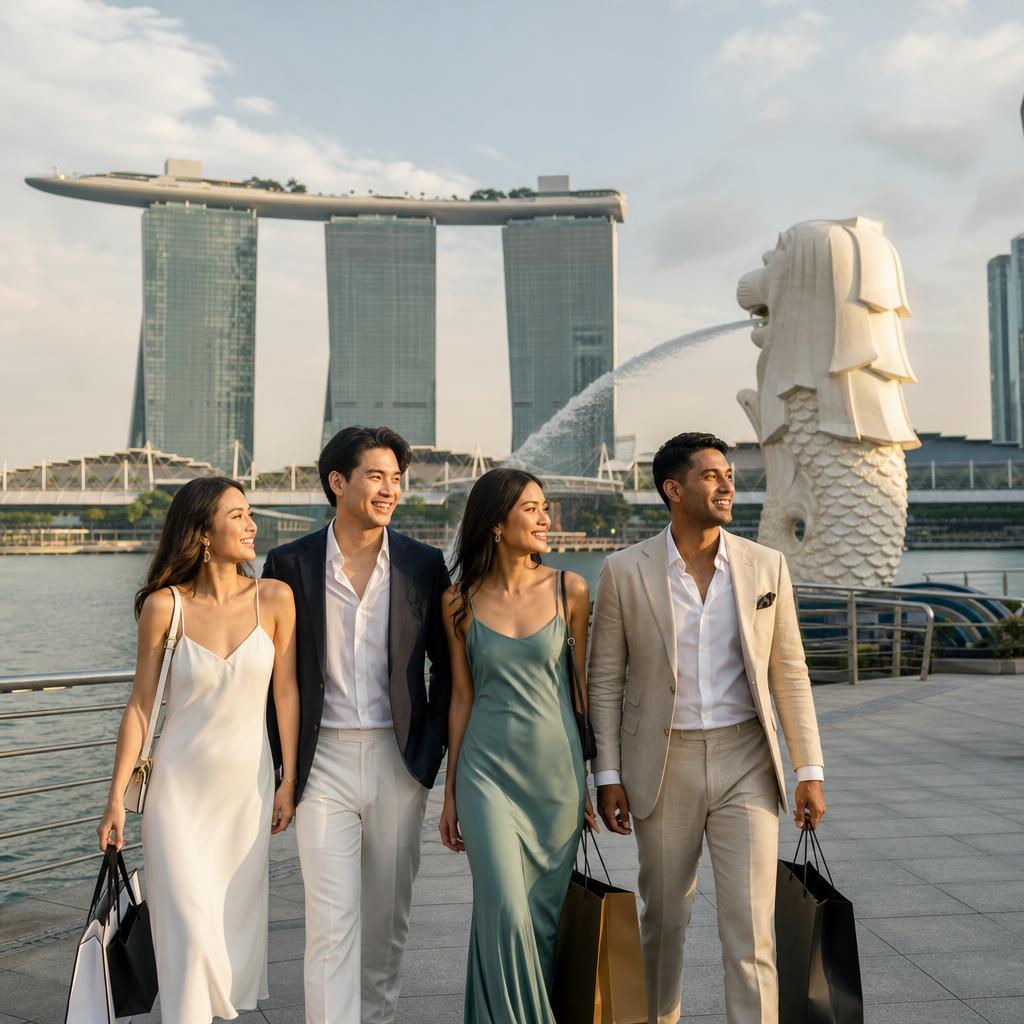
While housing, car ownership (COE), and imported groceries drive up Singapore's overall cost of living, everyday essentials like public transportation and hawker food remain surprisingly affordable.
Here is a look at why Singapore is so expensive, how it compares to cities like New York and London, and how lifestyle choices impact your actual expenses.
Is Singapore Really More Expensive Than Other Global Cities?
Cost comparisons depend heavily on the specific basket of goods measured.
According to Numbeo’s 2026 Cost of Living Index (which uses New York City as a baseline score of 100):
| City | Cost of Living Index | Rent Index | Cost of Living + Rent Index |
|---|---|---|---|
| New York, USA | 100.0 | 100.0 | 100.0 |
| San Francisco, USA | 97.6 | 80.5 | 90.0 |
| Singapore | 87.7 | 73.1 | 81.2 |
| London, UK | 87.5 | 70.1 | 79.7 |
| Hong Kong | 75.2 | 63.1 | 69.8 |
| Sydney, Australia | 75.1 | 53.8 | 65.6 |
| Tokyo, Japan | 54.2 | 25.8 | 41.5 |
Source: Numbeo 2026 Index.
While consumer indices put Singapore below New York and San Francisco, expatriate-focused studies tell a different story:
Economist Intelligence Unit (EIU): Ranks Singapore tied for 1st place globally alongside Zurich due to high vehicle prices, expensive clothing, and alcohol taxes.
Mercer Cost of Living Survey: Ranks Singapore 2nd globally (behind Hong Kong) based on the typical spending habits of international assignees.
5 Core Reasons Why Singapore Is So Expensive
1. High Housing and Rental Costs
Land scarcity is the single largest driver of property prices in Singapore.
According to the Department of Statistics (DOS) Household Expenditure Survey, housing accounts for 29.8% of average monthly household spending—the largest single category.
Expatriate Impact: While citizens have access to subsidized Housing & Development Board (HDB) flats, foreigners rely heavily on private condominiums or rental properties, where rents rival top global financial districts.
2. Vehicle Ownership and COE Premiums
Owning a car in Singapore is among the most expensive in the world by design.
The government controls vehicle growth using the Certificate of Entitlement (COE) system.
A 10-year COE alone can exceed S$100,000, prior to adding vehicle registration fees, Additional Registration Fee (ARF) taxes, fuel, parking, and maintenance costs.
3. Reliance on Imported Goods and Food
Because Singapore imports over 90% of its food and energy, supply chain costs and international inflation directly impact retail prices.
Higher Costs: Imported fruits, dairy, Western grocery brands, meat, and alcohol are heavily taxed or carry premium import margins.
Affordable Alternatives: Local hawker centres and coffee shops offer meals for S$4 to S$8, giving residents an affordable alternative to dining out at restaurants.
4. High Population Density and Land Constraints
As a compact city-state of ~700 square kilometers, competition for space affects every layer of the economy—driving up operating overheads for commercial property, warehousing, parking, and retail storefronts.
5. Regional Financial Hub Overhead
As a global financial and technology center, Singapore attracts high earners, regional corporate headquarters, and international talents. This concentrates demand for premium housing, international school fees, and private healthcare services.
Where Singapore Is Surprisingly Affordable
Global rankings rarely capture the day-to-day cost savings available to residents who adapt to local habits:
Public Transportation: Singapore’s MRT and bus networks are among the most modern and affordable in the world. Average monthly public transport expenditure sits at approximately S$174 per household, compared to S$678 for private vehicles.
Hawker Food Culture: UNESCO-recognized hawker centres allow residents to eat out daily without high restaurant markups.
Public Services: Subsidized public healthcare and government-backed infrastructure keep essential utilities and municipal services efficient and accessible.
The Verdict: Expensive for Whom?
How expensive Singapore feels depends almost entirely on your lifestyle profile:
Low-to-Mid Cost: A single professional renting a room in an HDB flat, commuting via MRT, and dining at hawker stalls.
High Cost: An expat family renting a central private condo, paying international school tuition, and leasing a car.
Balanced Cost: A Singaporean citizen owning an HDB flat, utilizing government subsidies, and relying on public transit.
Singapore is undeniably a high-cost city, but its cost structure allows residents flexibility depending on the choices they make.
Where to verify: This article is general editorial information, not legal, immigration, medical or financial advice. Requirements can change. Check the relevant Singapore government agency or a qualified professional for advice about your situation.