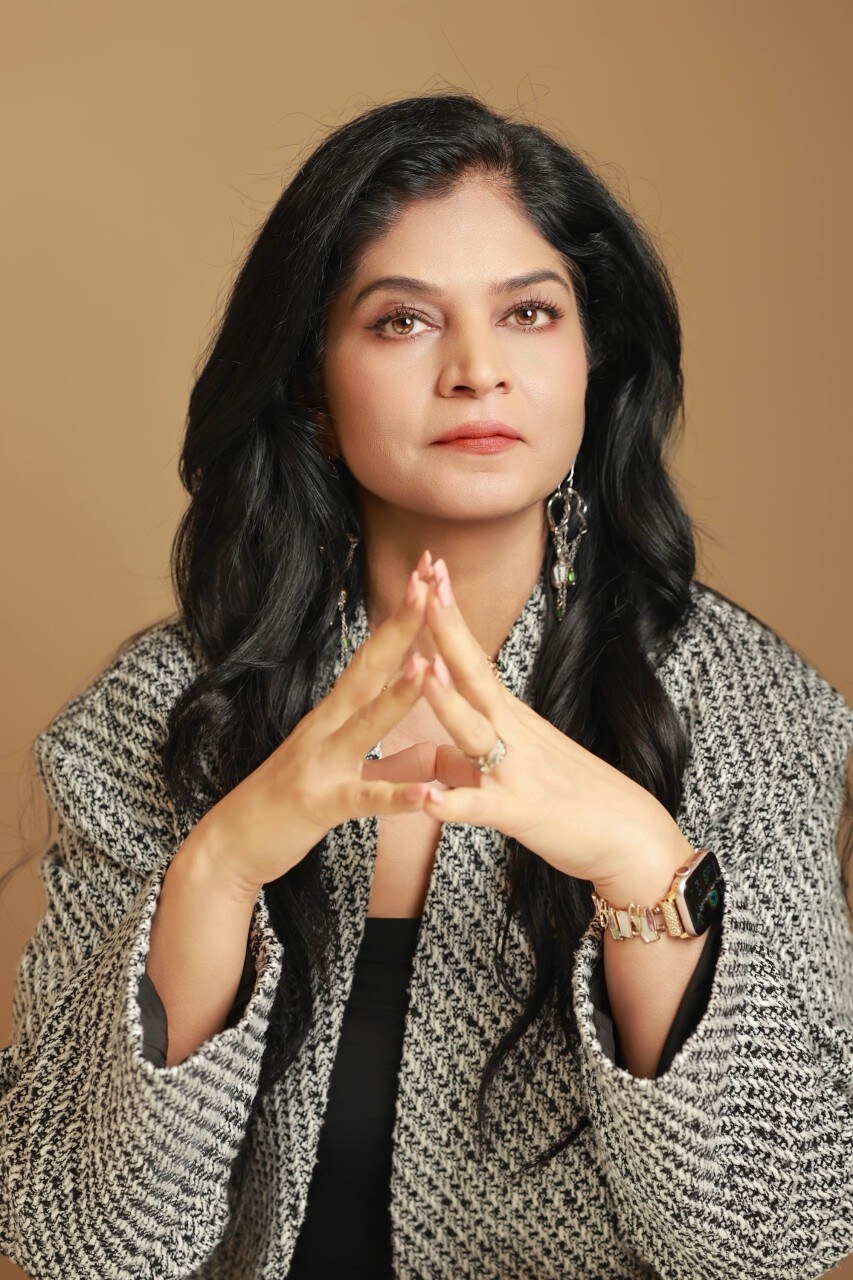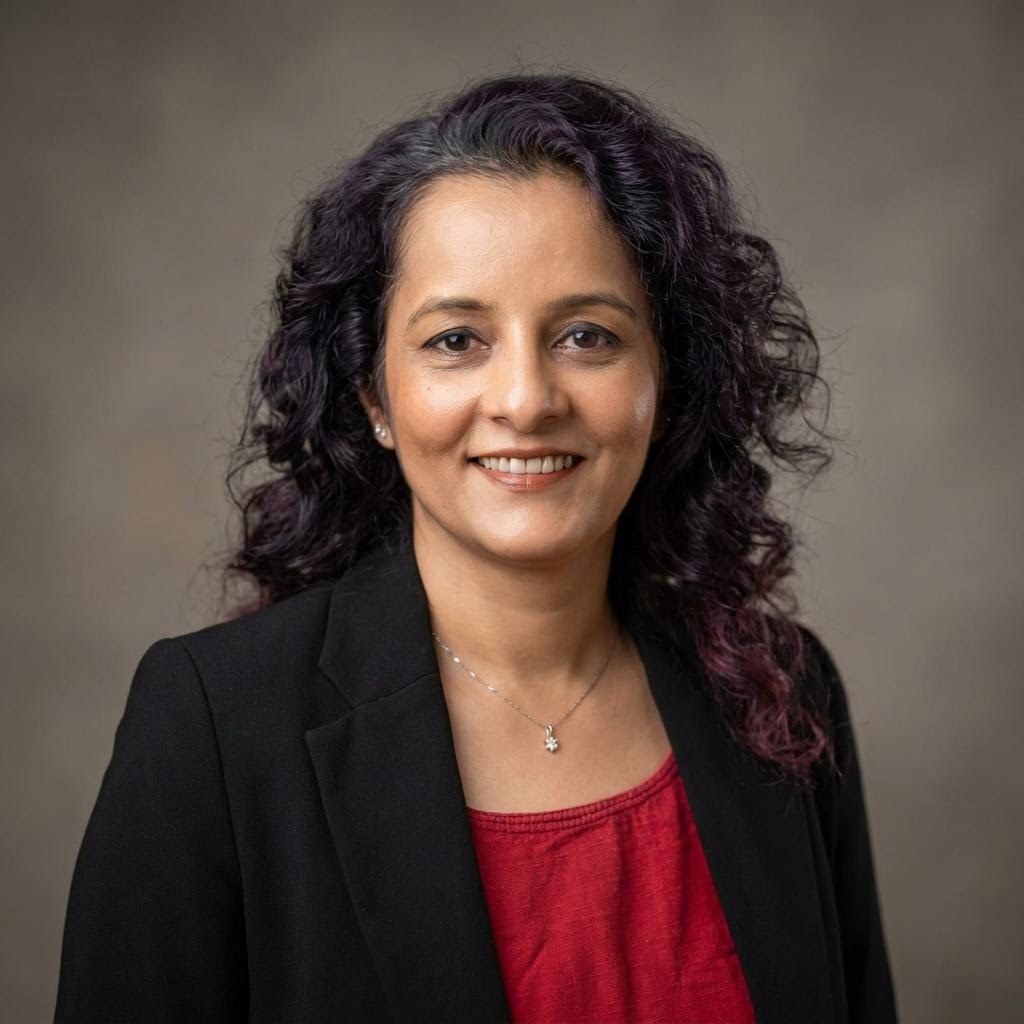
Alpa Parmar moved to Singapore in 2006 and built a career leading digital growth for major brands across Asia-Pacific. Today, through Bots and Brand Works, she helps small and medium businesses find practical, affordable ways to use AI. In this conversation, she reflects on the leap from corporate life, the value of starting small, and the lessons behind building a consultancy.
Question 01Can you take us back to the beginning of your journey? What were you doing before becoming an entrepreneur, and what experiences shaped you?
I moved to Singapore back in 2006 and started out at a big media buying agency, where I ended up leading digital growth for major brands across Asia-Pacific. Singapore is such a vibrant, fast-moving place, and it really ended up being the perfect launchpad for my journey. Even while working in the corporate world, I always knew I was a builder at heart. There's nothing quite like starting something from scratch and watching it come to life. I've also always loved pushing my limits, whether that's trekking through high-altitude mountains or diving headfirst into a challenging new venture. On top of all that, I'm a mum to two incredible daughters, who bring so much meaning and joy to my life.
Question 02What made you decide to start your own business? Was there a particular problem, opportunity or moment that made you take the leap?
Starting my own AI consultancy just felt like the natural next step. I started diving into artificial intelligence, learning the basics and figuring out how to actually apply it. I saw firsthand how game-changing it could be for marketing and business. Having spent years in corporate roles, I had a good handle on how different pieces of a business fit together, from sales to operations, which made it easier to spot where AI could make a real splash. The real lightbulb moment came when we were picked as a top-five finalist in the Edulon AI workflow competition. That proved to me that we were onto something special. I wanted to roll up my sleeves and help smaller businesses tap into these smart tools so they wouldn't get left behind just because they had smaller budgets or teams.
Question 03Take us back to the early days. How did you actually get started—from developing the idea to finding your first customer, building your team or getting your first big opportunity?
It all started super organically. I began helping out friends and fellow entrepreneurs, showing them how to get the most out of tools like ChatGPT. Rather than just sharing quick tips, I'd sit down with them to figure out which specific tools could solve their day-to-day headaches like generating images or creating video content. Doing that hands-on work made me realise just how many small businesses were hungry for simple, affordable ways to use AI. Once I started looking into AI agents and smart integrations, it was clear there was a massive opportunity to help small teams punch above their weight. I get a lot of recommendations through word of mouth, but I'm also doubling down on getting big budget clients.
Question 04Looking back, what were the two or three key turning points that changed the trajectory of your business?
A huge turning point was narrowing down exactly which kinds of businesses would get the biggest win from AI. Showing owners clear, practical ways AI could save them time and boost their bottom line made all the difference. Aligning with clients who shared that vision completely turned things around. That said, I also got a big reality check along the way: a lot of business owners still don't realise what AI can actually do for them. Most people think it stops at writing prompts or generating basic images, but using custom data to build a smart layer for your business is where the real magic happens. Spotting that gap was eye-opening.
Question 05What has been one of the hardest periods in your entrepreneurial journey, and what did that experience teach you about yourself and running a business?
The initial launch phase was definitely tough. AI technology moves at lightning speed, so keeping up while teaching others was a real balancing act. The biggest hurdle was simply that many business owners still don't know how automation could lighten their workload, which means spending tons of time hosting workshops and creating simple educational content. It taught me a huge lesson about the power of building a personal brand. In the corporate world, your job title does a lot of the talking for you, but when you're on your own, putting yourself out there and being visible is everything.
Question 06Today people see the success, but they don't always see what happened behind it. What is something about your journey that people may not know—the sacrifices, uncertainty, setbacks or difficult decisions?
People often see the wins, but they don't always see the constant tradeoff between comfort and risk. Leaving behind a steady paycheck to venture into the unknown takes a lot of nerve. You're constantly solving problems on the fly, getting your hands dirty, making mistakes, and dusting yourself off to try again. The plain truth is, you end up hearing "no" a lot more often than "yes" before things start clicking.
Question 07After everything you have experienced, what are the biggest lessons you have learned about building a business, choosing people, taking risks and making decisions?
If there's one big lesson I've learned, it's that building a lasting business takes time and a willingness to keep learning every day. Early on, I spent way too much energy trying to convince skeptical clients to try AI. I soon realized that you can't force change on people who aren't ready for it.
So, I pivoted to running workshops and partnering with folks who were genuinely excited about technology. These are the business owners who don't just look at AI as a quick shortcut, but as a real growth engine for their future.
Question 08If you were starting your entrepreneurial journey again today, with everything you know now, what would you do differently—and what would you absolutely do the same?
One thing I'd definitely do again is avoiding big upfront spends on flashy websites, fancy branding packages, or expensive monthly retainers early on. Starting small, testing, and tweaking as you go is so much more rewarding. Honestly, I wouldn't change the bumps along the road. Every mistake taught me a lesson that helped refine the business into what it is today.
Question 09What does success mean to you today compared with what you thought success meant when you first started? Has your definition of success changed along the way?
I started out wanting to help small businesses make sense of AI, and to me, real success means making a genuine impact, like seeing a client boost their revenue or save hours every week thanks to our work together. But nowadays, my definition of success also includes taking care of my mental and physical health. Running a business is a marathon, not a sprint, so taking care of yourself is essential.
Question 10For readers who would like to learn more about you, your work or your journey, how can they connect with you? Please share your website, LinkedIn or any other platforms where they can find you.
Feel free to connect with me on LinkedIn (https://www.linkedin.com/in/alpa-parmar/)
or drop by our website (https://www.botsandbrandworks.com) to check out what we do. We offer a free 30-minute chat for small and medium businesses to explore practical ways AI can add real value to your workflow.