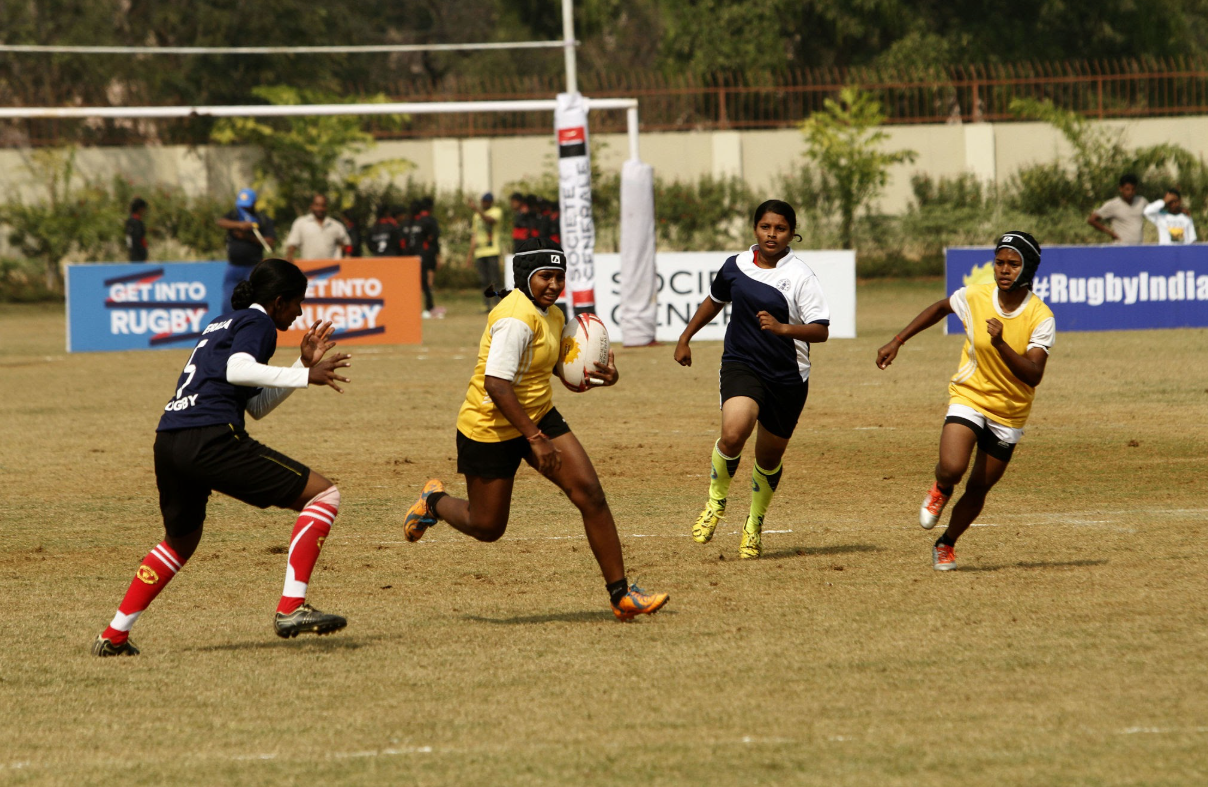
On October 27, 2026, India’s Under-20 women’s rugby sevens team defeated New Zealand’s Māori U20 invitational side, Hine Toa, 17–0 at the Rajgir Sports Complex in Bihar.
The Indian team led 12–0 at half-time and kept its opponents from scoring throughout the match. It was an impressive result against a visiting side from a country with a strong rugby tradition.
The men’s match, however, had a different outcome. New Zealand’s U20 men’s side, Tama Toa, defeated India 32–0. The series also featured two mixed-team exhibition matches, bringing Indian and New Zealand players together.
This was no ordinary sporting fixture. The India–New Zealand U20 Rugby Sevens Series was part of the 100 Years of Unity through Sport initiative, celebrating a century of sporting ties between the two countries. It was also a first-of-its-kind U20 rugby sevens series between the two countries in India. The visiting delegation comprised 24 young Māori players.
And the venue? Rajgir, Bihar.
For a state not traditionally associated with international rugby, hosting such an event—and celebrating an Indian women’s victory—makes for an interesting sporting story.
Rugby is a contact sport that requires speed, strength, teamwork and considerable physical endurance. The shorter seven-a-side version, known as Rugby Sevens, is particularly exciting to watch. Each team has seven players, and matches are played over two seven-minute halves.
While cricket continues to dominate India’s sporting landscape, rugby has been gradually building a following in certain pockets of the country. Bihar is one of the states making a serious effort to develop the game, particularly among young people and women.
And the state has already demonstrated that this is more than just an occasional sporting event.
In August 2025, Rajgir hosted the Asia Rugby Emirates U20 Sevens Championship, bringing together 16 men’s and women’s teams from nine Asian nations, including India, China, Hong Kong China, Malaysia, Nepal, Sri Lanka, Kazakhstan, the United Arab Emirates and Uzbekistan. India’s women’s team won bronze, an encouraging achievement on home ground.
Bihar’s own record is worth noting too. Its women’s team won the 2025 Senior National Rugby Sevens Championship, defeating Odisha in the final to claim the title. In April 2026, Rajgir hosted the Senior National Rugby Sevens Championship again. Fifty-three teams competed—27 in the women’s category and 26 in the men’s category. Bihar’s women finished runners-up, while its men’s team secured third place.
The development of rugby in Bihar has involved a combination of government support, sporting associations and international partnerships.
At the national level, Rugby India, formally the Indian Rugby Football Union, is responsible for developing and governing the sport. Its President, Rahul Bose, has been an important voice in promoting rugby in the country. Many will also recognize him from his acting career. His most recent release is Udta Teer. It is interesting to see someone balancing a career in cinema with a commitment to developing a relatively less-publicized sport in India.

In Bihar, the Rugby Football Association of Bihar works towards developing the game locally. Sanjay Prakash Mayukh, its President, and Pankaj Kumar Jyoti, its General Secretary, are among the people involved in building the sport’s presence in the state.
The Bihar government has also made a financial commitment. For the 2025 Asia Rugby U20 Championship, the state cabinet approved approximately ₹4.08 crore for the event. The Department of Sports, Bihar State Sports Authority and the state rugby association have continued to support competitions in Rajgir.
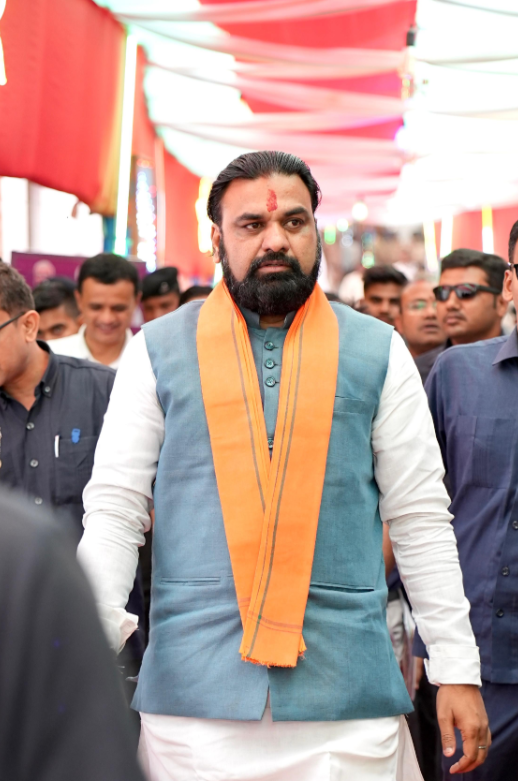
The recent India–New Zealand series also received support from the Government of India and the Bihar government. It brought together senior representatives, including Union Minister of State for Youth Affairs and Sports Raksha Khadse, Bihar Sports Minister Shreyasi Singh, Chief Minister Samrat Chaudhary and Rahul Bose.
Asia Rugby’s partnership with Emirates supports its wider regional rugby competitions, including the Asia Rugby Emirates Sevens championships. The recent New Zealand exchange also reflects cooperation between Rugby India and New Zealand Rugby.
These are important building blocks. But for a sport to grow beyond tournaments and government initiatives, it needs wider participation and, importantly, support from businesses.
This is where the story becomes interesting from a business perspective.
Rugby in Bihar offers access to an emerging sporting community that includes young athletes, their families, coaches, schools, local businesses, sports enthusiasts and people connected to the region.
For a sportswear brand, fitness company, educational institution, nutrition business, bank, consumer brand or even a regional retailer, this could be a relevant audience to engage with.
Take TechnoSport, for example. The homegrown Indian sportswear company has been gaining visibility in India’s performance-apparel market. Supporting emerging sporting communities, including rugby, could be an interesting opportunity for brands like this to build connections with athletes and grassroots sporting talent.
Decathlon, the French sporting-goods retailer with its global headquarters in Singapore, is another brand that could see potential in Bihar’s emerging rugby ecosystem. With an established presence in affordable sports equipment and apparel, it could support grassroots participation through equipment, community programmes or local sporting partnerships.
Businesses could support local tournaments, provide equipment, sponsor youth teams, fund training programmes, offer scholarships or associate themselves with the development of rugby in the state.
The opportunity does not necessarily require a large sponsorship budget. It could begin with a local partnership or a small investment in a promising team.
Of course, businesses should assess audience reach, participation and the potential returns before committing their money. An emerging sport does not automatically translate into an advertising success. But it does offer something worth exploring: the opportunity to connect with a growing community before the space becomes crowded.
Rugby in Bihar has made a promising start. Its teams are winning, international competitions are coming to the state, and young players are getting opportunities to compete and learn.
Now the game needs more support from the business and advertising community.
And it is not just the large established brands that should be looking at this opportunity. New and growing businesses, particularly those looking to build brand awareness without competing for attention in already crowded advertising spaces, should pay attention too.
Sometimes, the best marketing opportunities are found where fewer brands are looking.
Bihar is building a sporting story. Perhaps it is time for businesses to become part of it.