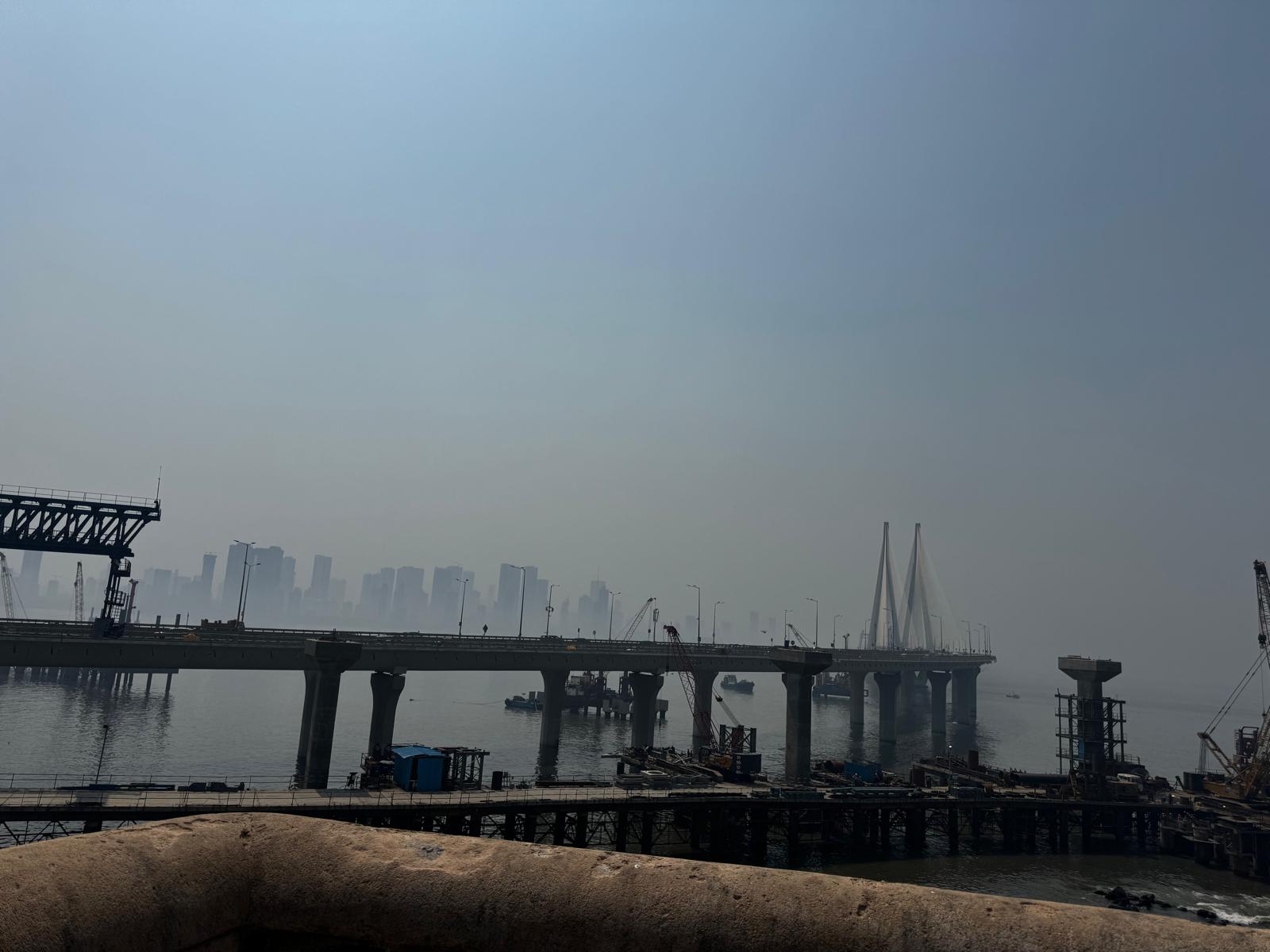
Main photograph: a wide view of Mumbai’s sea bridge and waterfront construction. All photographs supplied with this article.
Marine Drive, Mannat, the Gateway of India, Bollywood glamour and a skyline that never seems to stop growing. Mumbai has all the ingredients of a dream holiday. But after spending four days in the city, I have a question for Maharashtra Tourism: should we be spending more money attracting tourists to Mumbai, or should we first make sure the city is ready to welcome them?
For more than 30 years, Mumbai lived in my imagination.
I pictured glamorous skyscrapers, beautiful beaches, film stars casually walking around Bandra, and those iconic Mumbai evenings when people sit along Marine Drive, watching the sea and dreaming about life. After all, this is the city of Shah Rukh Khan, Salman Khan, Bollywood, big businesses and bigger ambitions. It is India's financial capital, where people arrive with dreams and hope to make something of themselves.
I had even imagined that the homes of film stars might be something special to see. Surely, a city that produces so much glamour must have a little glamour spilling into its streets?
Then I recently visited Mumbai for four days.
I returned with photographs, a few pleasant memories, plenty of questions and one rather uncomfortable thought: Had Mumbai sold me a dream that it was not quite ready to deliver?
To be fair, I did not expect Mumbai to be a postcard. I knew about the crowds, the traffic and the pace of life. I also knew that a city of this size would have its imperfections. But I expected the experience of visiting its famous landmarks to feel more rewarding.
Instead, I found a city of striking contrasts. There was warmth and history, energy and ambition, but also ageing buildings, confusing navigation, uneven maintenance and public spaces that did not always live up to their reputation.
And that is what makes my experience worth discussing. Mumbai does not lack attractions. The bigger question is whether it is making the most of them.
The Maharashtra government's Department of Tourism states that it wants to position Maharashtra as a leading, all-season tourism destination, both nationally and internationally. Its published objectives include destination branding, integrated marketing campaigns, infrastructure upgrades, digital tools and better last-mile connectivity. The state's official tourism objectives and vision and mission make this direction clear.
The department has also been actively promoting the state. Its February 2026 newsletter, for example, described domestic and international familiarization tours covering destinations including Mumbai, designed to showcase Maharashtra to travel professionals and visitors. (Maharashtra Tourism, February 2026 newsletter)
There is nothing wrong with this ambition. Maharashtra has extraordinary cultural, historical and natural assets. From the Ajanta and Ellora Caves to its forts, hill stations, coastline and pilgrimage destinations, the state has plenty to offer.
But marketing creates expectations. A beautiful campaign can persuade someone to book a flight, reserve a hotel and plan an itinerary. What happens when that visitor arrives?
The tourist does not experience a campaign. The tourist experiences the taxi ride, the footpath, the signboard, the queue, the public toilet, the lighting, the cleanliness and the condition of the attraction itself.
And this is where my four days in Mumbai left me with questions.
First stop: Bandra Fort, or was that the fort?
I was staying near the Taj Lands End (a great experience), and Bandra Fort was on my list. Google Maps had made it look like a separate destination, so I booked a taxi. The driver took us out of the hotel and dropped us at another gate nearby.
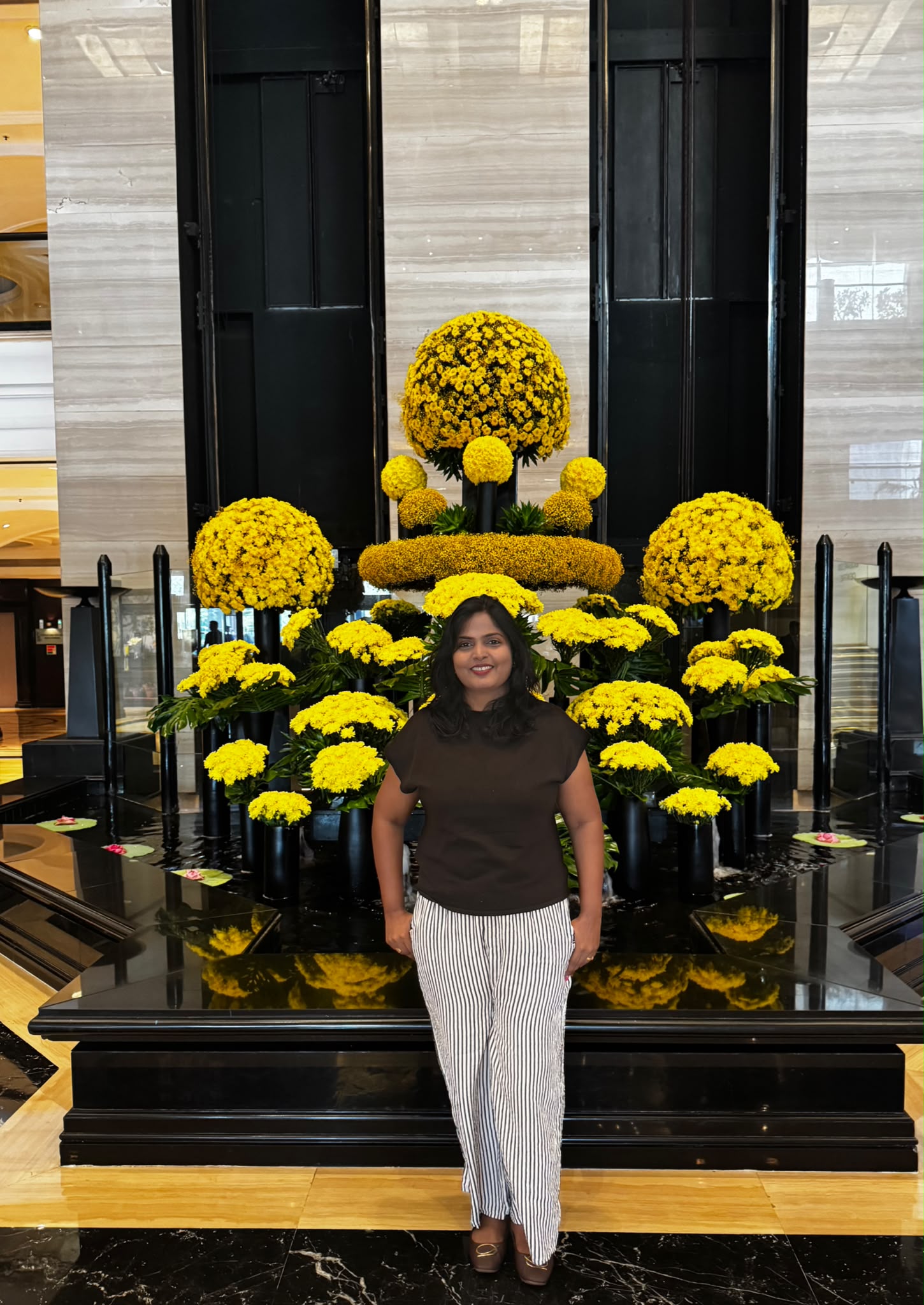
And that was more or less the beginning and end of the adventure.
There was a pleasant, well-maintained garden, a few people sitting around and enough space to take some photographs. But the fort experience I had expected was not quite there. I found myself wondering whether I had missed something or whether the online descriptions had built up expectations that the place could not meet.
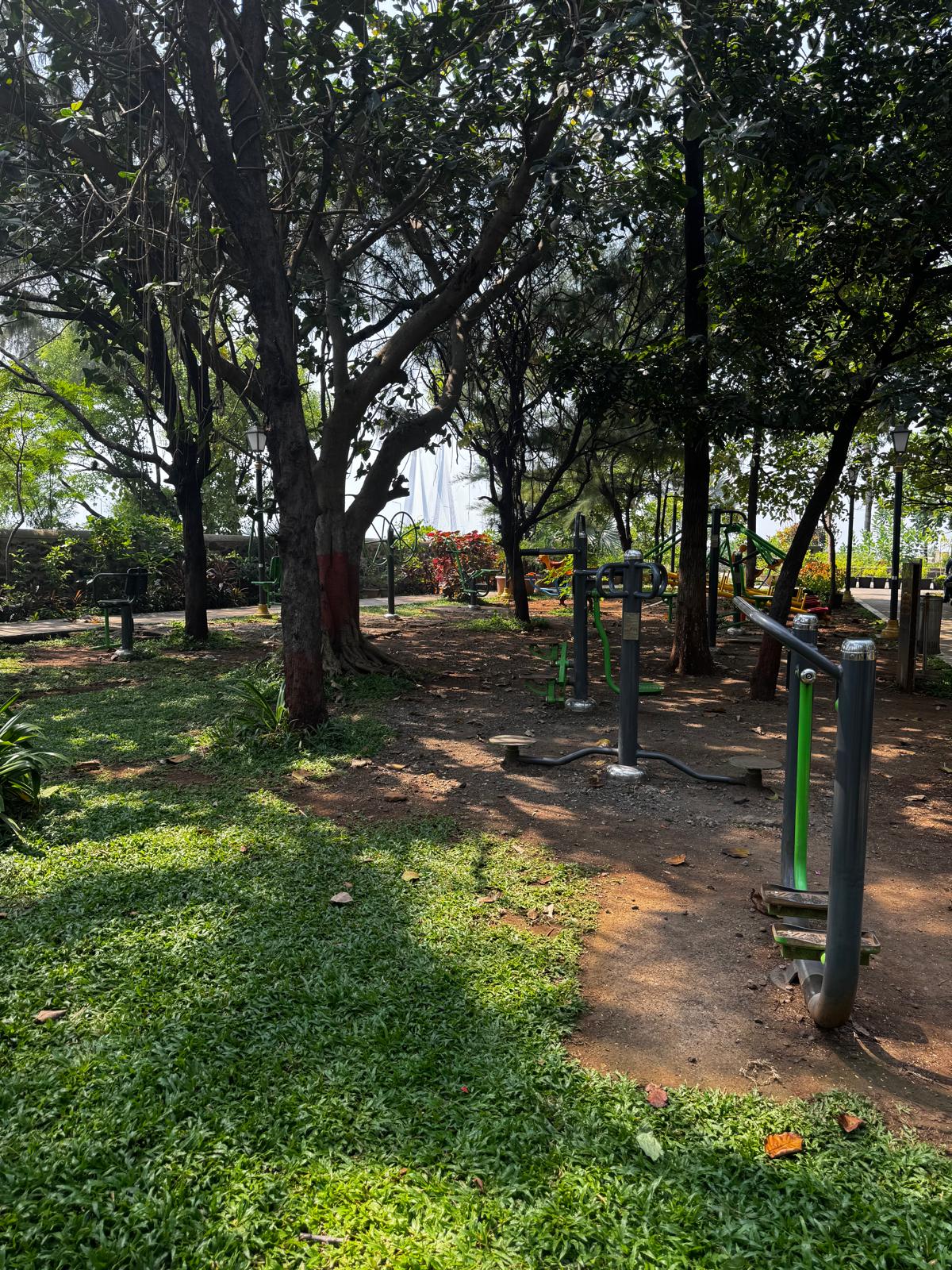
If you are a local, perhaps you know exactly what to expect. If you are visiting Mumbai for the first time, you rely on Google, travel websites, reviews and photographs to decide where to spend your precious holiday hours.
When reality is different, even a small attraction can leave you wondering whether you planned your day well.
Fashion Street: Where is the bargain?
Next came Fashion Street, which I had associated with trendy street shopping and affordable finds.
There were plenty of shops, and I did find a few trendy T-shirts. But much of the merchandise did not appeal to me in terms of quality and price. I had expected more of a bargain-hunting experience and found myself deciding to skip most of the shopping.
Of course, shopping is subjective. What one visitor considers expensive, another might consider reasonable. But the broader point is that an attraction's reputation creates certain expectations.
For a tourist, the experience is not just about arriving at a location. It is about whether the time, money and effort spent getting there feel worthwhile.
And speaking of getting there, navigating Mumbai was not always straightforward. I often found myself relying on people for directions because the signage was not consistently clear.
Thankfully, people were willing to help. Yes, that part is true. People in Mumbai are really nice.
The city has human warmth. It could do more to make the journey easier.
Gateway of India: Is this it?
The Gateway of India is one of the city's most heavily promoted attractions, and it was another place I had looked forward to visiting.
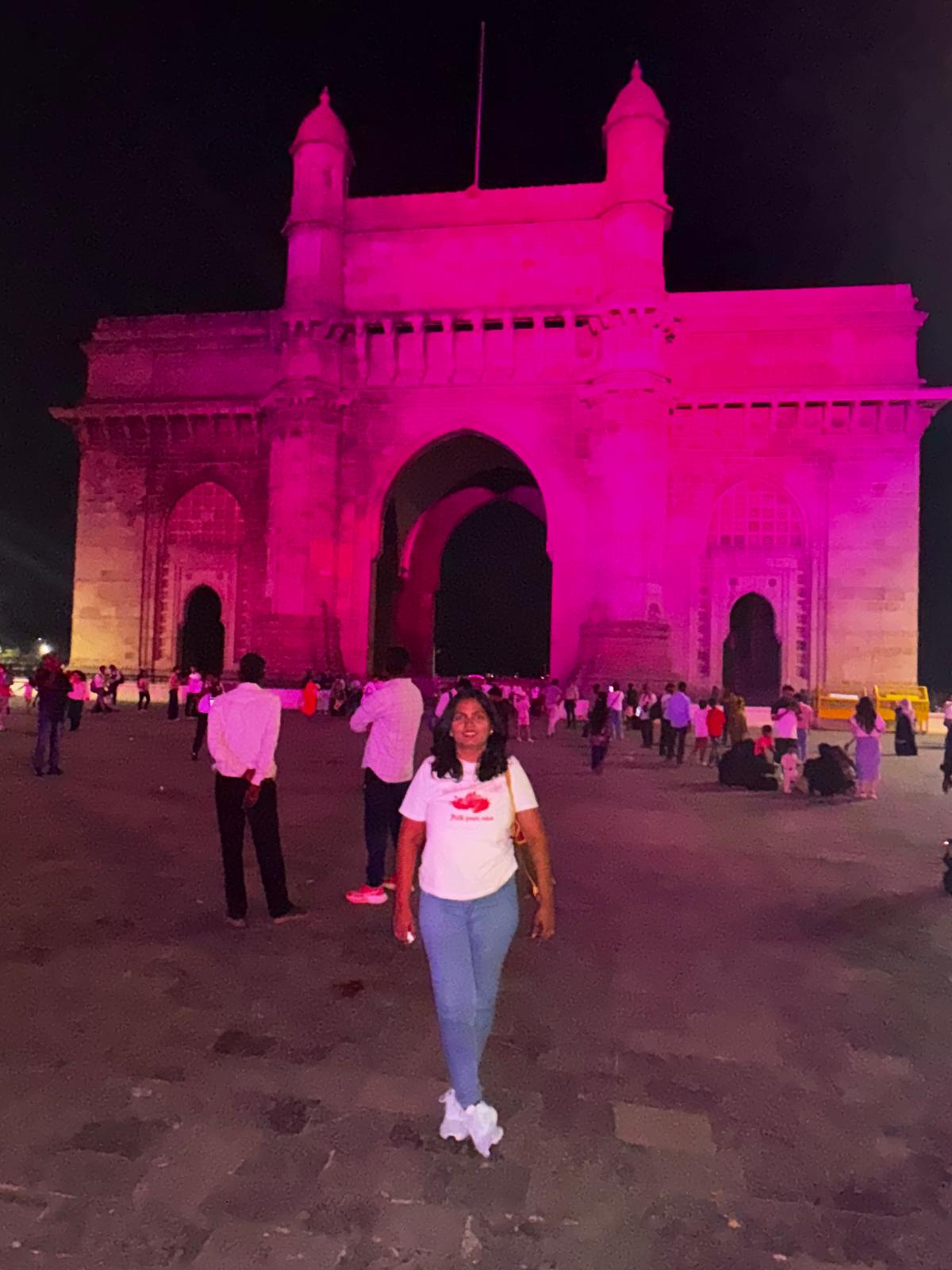
There were crowds, photographers and the familiar sight of the Taj Mahal Palace Hotel nearby. The atmosphere was unmistakably Mumbai. Photographers offered to take pictures and provide printed copies at affordable prices. I would definitely recommend getting a photograph taken here—it makes for a lovely souvenir.
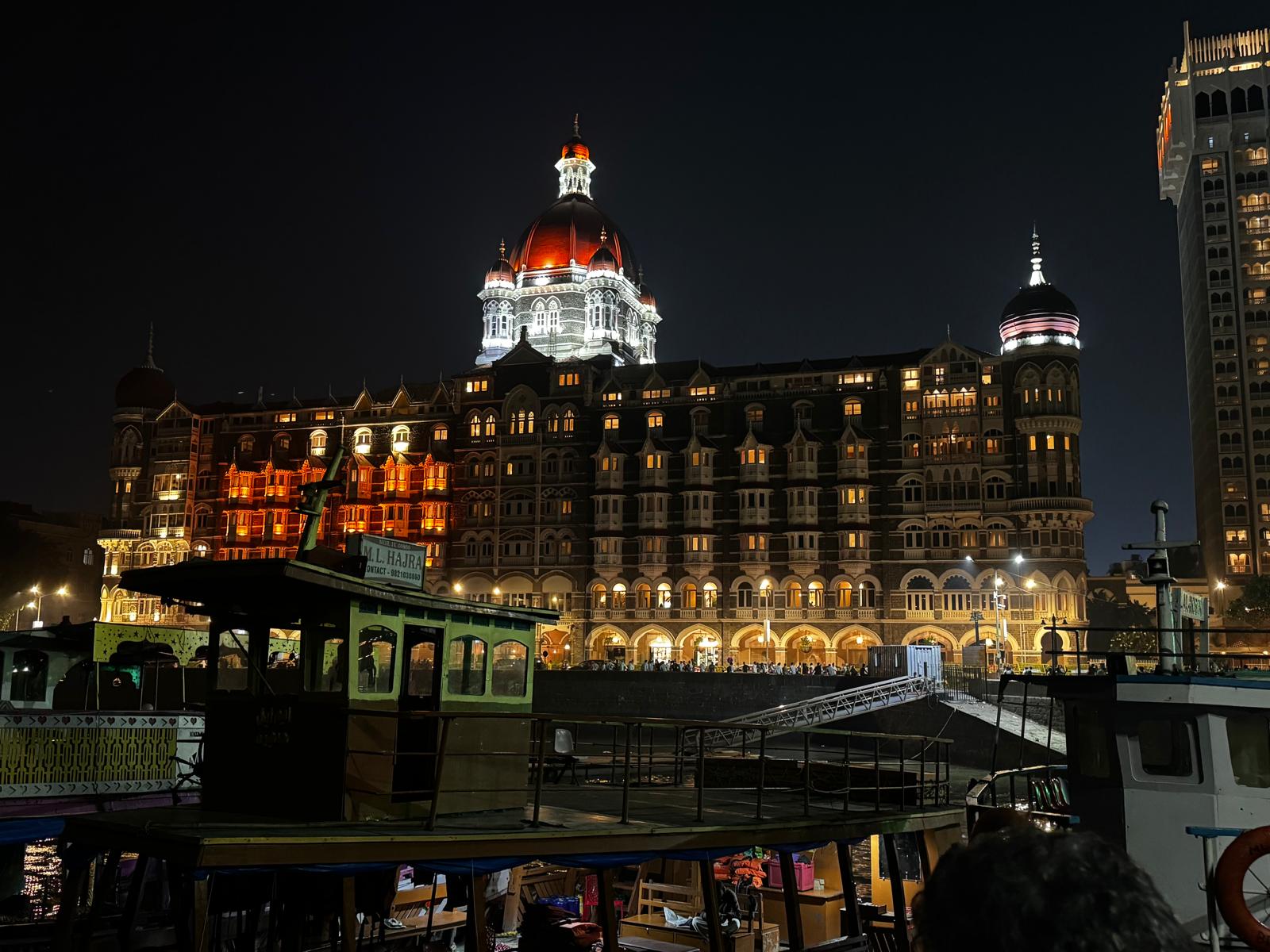
The best time to visit, in my experience, is between 4 pm and 7 pm. After dark, it becomes difficult to see the surroundings clearly, and the nearby areas can get quite chaotic.
But when I first looked at the Gateway itself, my honest reaction was: Is this it?
I know that sounds unfair. The Gateway is a landmark with historical significance, and its value is not measured only by its size or architectural grandeur. It is a symbol of the city, and its setting gives it a special place in Mumbai's story.
Yet I could not help feeling that the experience was less extraordinary than I had imagined.
This is where good tourism management can make a difference. A landmark's story, history and significance can be brought to life through thoughtful interpretation, guided experiences and a well-maintained public environment. Visitors should leave with a better understanding of why a place matters—not merely a photograph proving they were there.
Mumbai has stories in abundance. The opportunity is to make those stories part of the experience.
Marine Drive: The necklace is beautiful. The details matter too.
If there was one place I had built up in my mind over three decades, it was Marine Drive.
I had heard about people sitting along the promenade, watching the sea and dreaming about the city. At night, the curve of lights gives Marine Drive its famous necklace-like appearance. The sea breeze, the crowds and the energy of people gathered along the waterfront made it easy to understand its appeal.
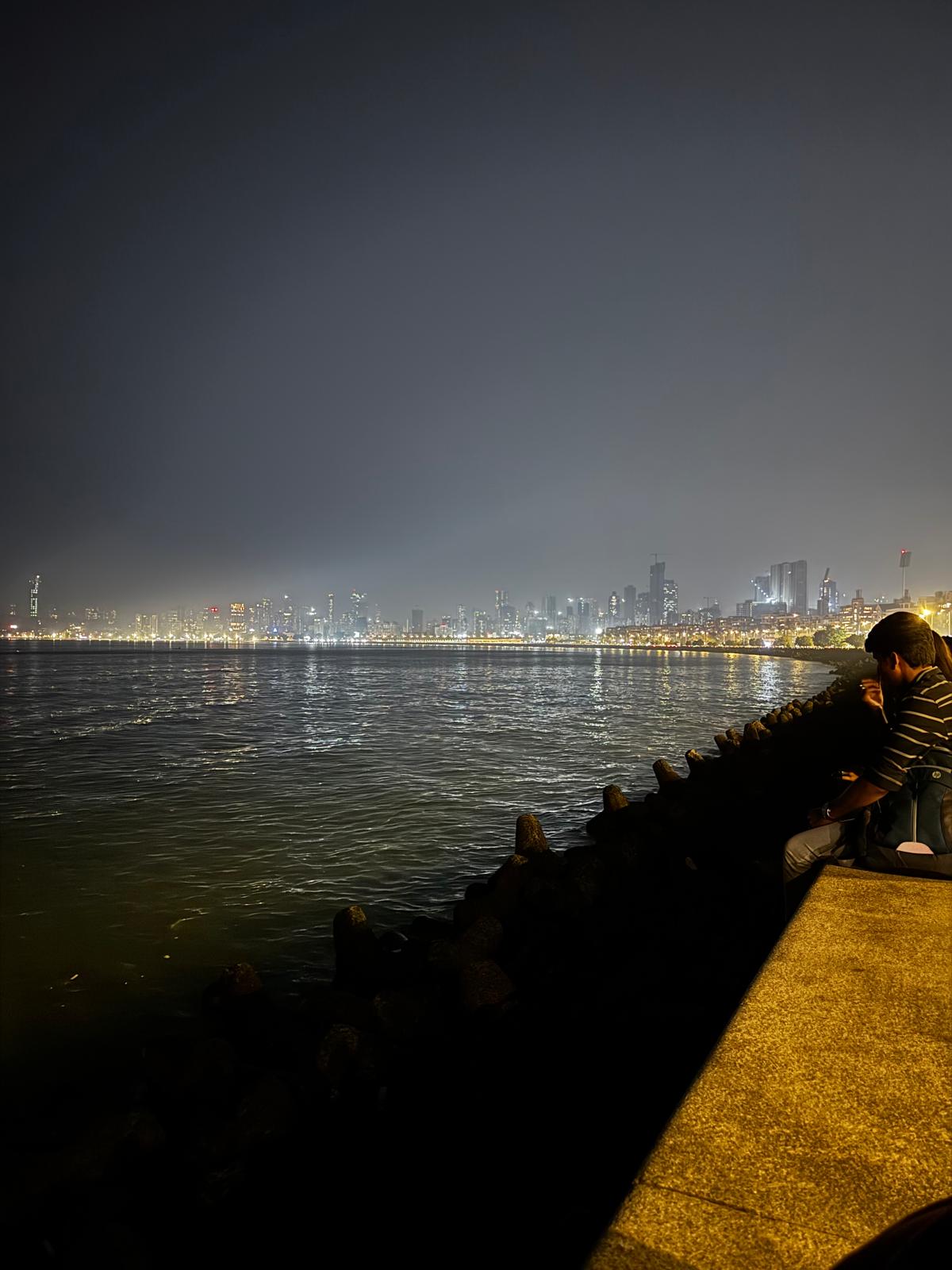
This was one of the cleaner places I visited, and we enjoyed sitting there.
But the smell coming from the seawater was noticeable. Some of the older buildings along the waterfront also looked weathered. The experience was enjoyable, but it was not quite the pristine, picture-perfect scene I had imagined.
Marine Drive is already an attraction. It needs to be beautified, protected and well-maintained, while remaining accessible to everyone.
However, some of the residential buildings near Marine Drive appeared poorly maintained and run-down, making parts of the city look old and neglected. Given their prime location, it was disappointing to see them in such a state. Their condition affects the overall experience of walking along the drive.
Bandra West: Bollywood is here. Where is the glamour?
Bandra West was another place I wanted to explore. It is associated with film stars, stylish cafés, fashionable neighbourhoods and the wider Bollywood universe.
I walked around and found the area relatively cleaner and quieter than some of the places I had visited. There were attractive cars and a different pace of life. But several residential buildings looked old and weathered, and I was surprised by the contrast between the glamour associated with the neighbourhood and the condition of some of its buildings.
A taxi driver told us that apartment maintenance costs can be high and that maintenance payments are a sensitive subject for residents. I cannot verify the circumstances of the buildings I saw, but the conversation made me think about the challenges of maintaining older properties in an expensive city.
I also noticed homeless people near a beachside jogging area. The contrast was difficult to ignore: a neighbourhood associated with wealth and celebrity alongside visible signs of hardship. There is an opportunity to do more to make the area tourist-friendly.
Which brings me to the homes of two of India's biggest film stars.
I was staying just a few blocks from Mannat, Shah Rukh Khan's home near Bandstand. Naturally, I wanted to see it. There were fans taking photographs outside Mannat, posing for pictures and celebrating their favourite star. It was an entertaining sight. People were clearly excited to be there, and I could understand why. For many fans, a photograph outside the home of someone they have admired for years is a special memory.
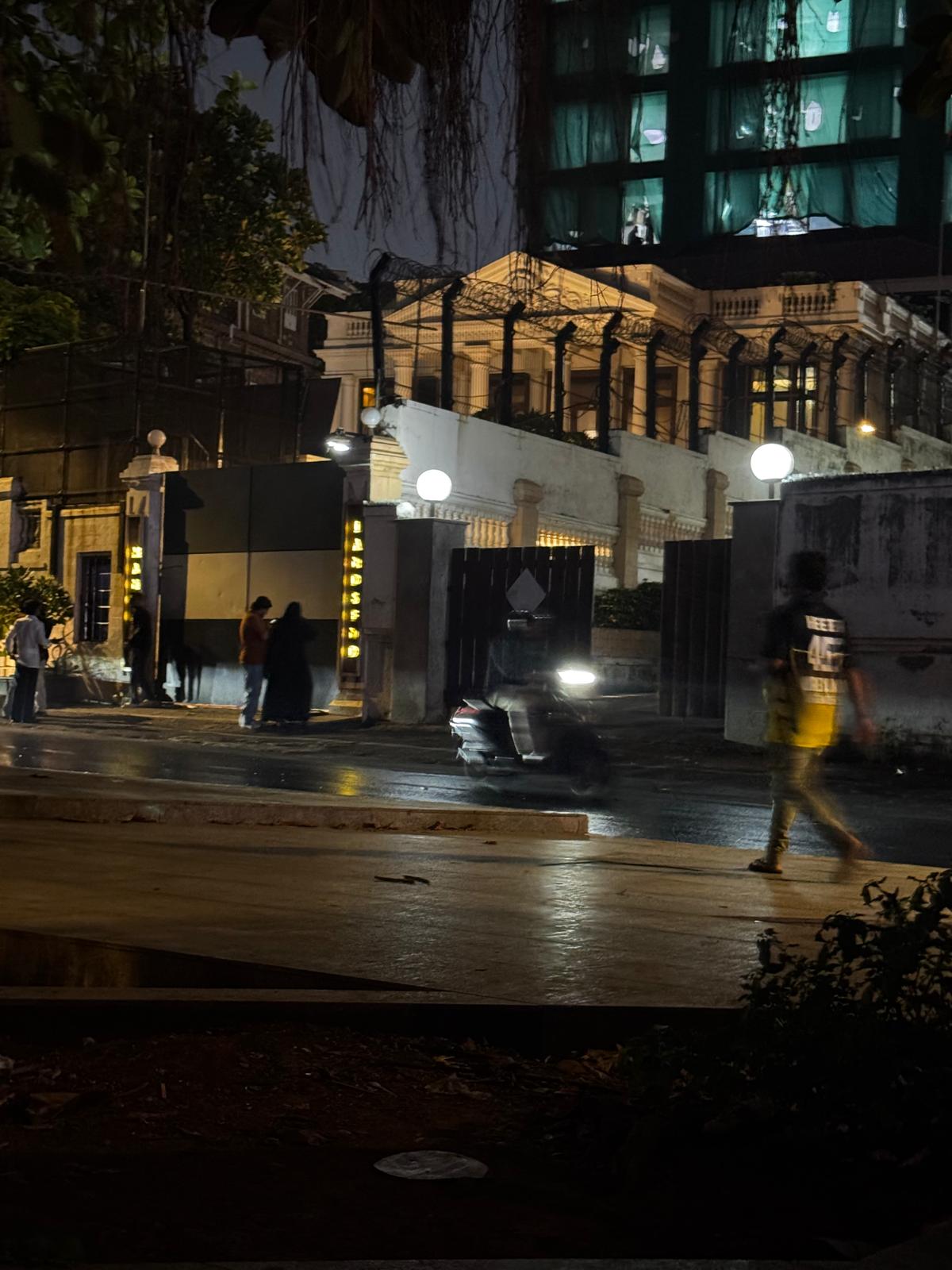
But I had imagined something rather more extraordinary. The surroundings were not quite as glamorous as they appear in films, and the experience brought me back to earth.
Of course, these are private residences. The people who live there deserve privacy, and a celebrity's home is not automatically a public attraction simply because fans want to see it.
Still, there is a tourism opportunity here—not necessarily in opening up the homes, but in creating a more thoughtful experience around Mumbai's film heritage.
Could the city offer a managed film-location and cinema-history trail, with appropriate viewing areas and stories about the industry that made Mumbai famous? Could it create a legitimate visitor experience rather than leaving tourists to crowd outside residential buildings?
The answer need not be to fence off people's homes. A better answer would be to design a visitor experience that respects residents while recognizing the public's interest in the city's film history.
Mumbai's glamour is real. The question is how to make it accessible in a way that benefits visitors and residents alike.
The pleasant surprises
Not everything disappointed me. In fact, some of my most satisfying experiences came from places where the arrangements were straightforward and the people were helpful.
My visits to Siddhivinayak Temple and Mahalakshmi Temple were particularly good experiences.
I had read reviews before visiting Siddhivinayak and was worried about what I could carry, where I would have to leave my belongings and how complicated the process might be. I went at around 7.30 am and had a smooth visit, with a good darshan. The people around the temple were helpful, and the arrangements felt manageable.
At Mahalakshmi Temple, I visited at around 4 pm and found the crowd lighter. I did not have time to visit Haji Ali Dargah, which is nearby, but it would be worth considering on a future trip.
However, the security arrangements and access routes to the temples felt makeshift and could be better organized. With improved infrastructure and crowd management, these areas could be more attractive, orderly and easier for visitors to navigate.
Phoenix Palladium was another place I enjoyed. I did some shopping and watched a movie at PVR ICON. It offered the kind of modern retail and entertainment experience many visitors expect from a major city.
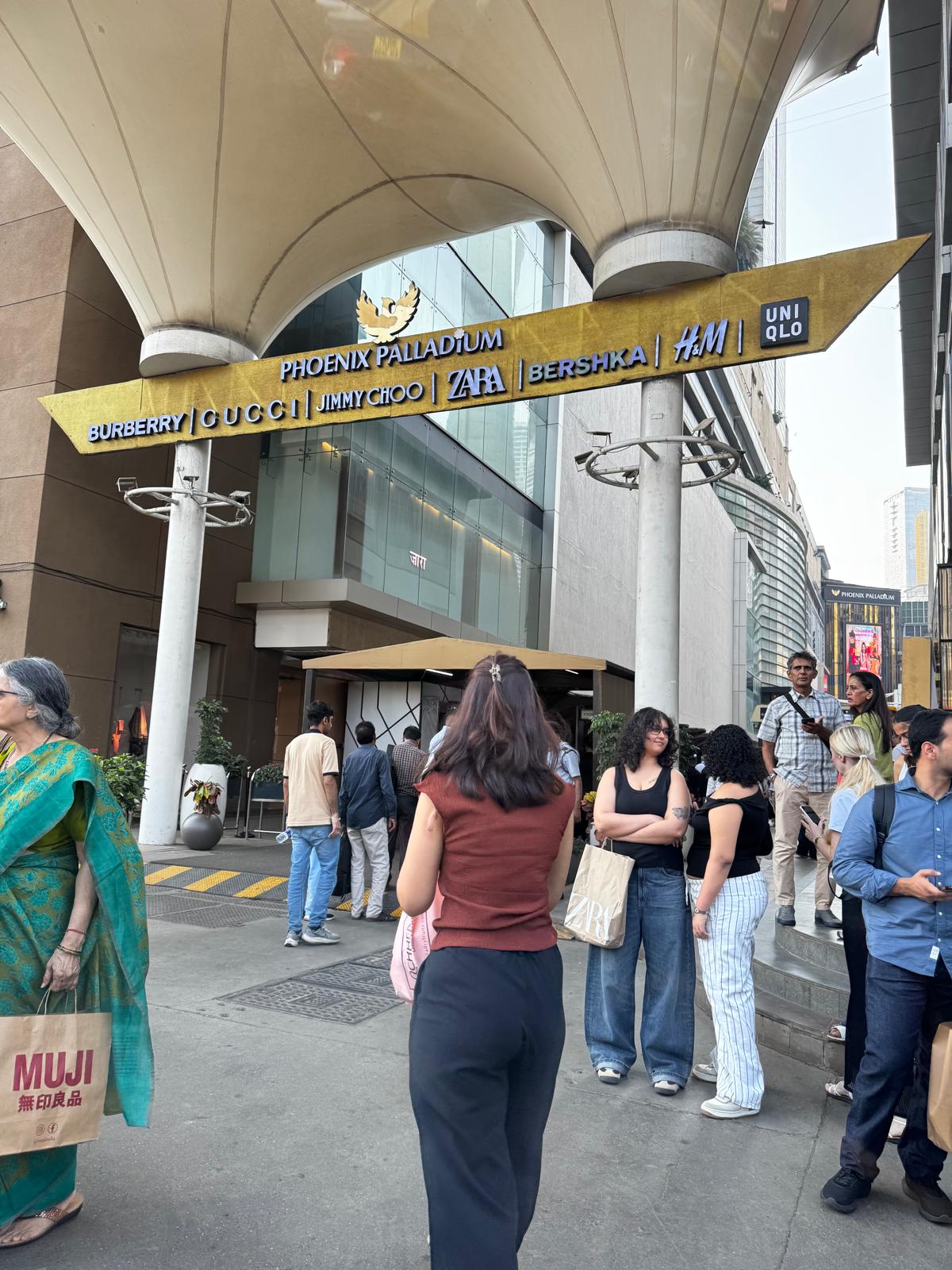
Most importantly, however, the security process at the entrance appeared makeshift to me, with bags and people being checked. I feel there is an opportunity to upgrade and modernise these arrangements, as they contribute to the overall visitor experience.
I also enjoyed seeing the historic Mumbai University building and the Oval Ground in the heart of the city. It was lovely to find such open space amid the urban density. But when we crossed the area at night, the Oval Ground was pitch-dark. I noticed other poorly lit stretches during the visit too.
These are not glamorous observations. They are everyday details. Yet, for a visitor, they influence whether a city feels easy, comfortable and enjoyable to explore.
A city of skyscrapers, old buildings and big questions
One of the strongest impressions I took away from Mumbai was the contrast between new construction and the condition of some older buildings.
There seemed to be construction and redevelopment everywhere. Yet, in the middle of the city's activity, I saw buildings that looked neglected or abandoned. On closer inspection, some appeared to be inhabited. Some of the chawl-like structures in Worli looked to me as though they were in very poor condition.
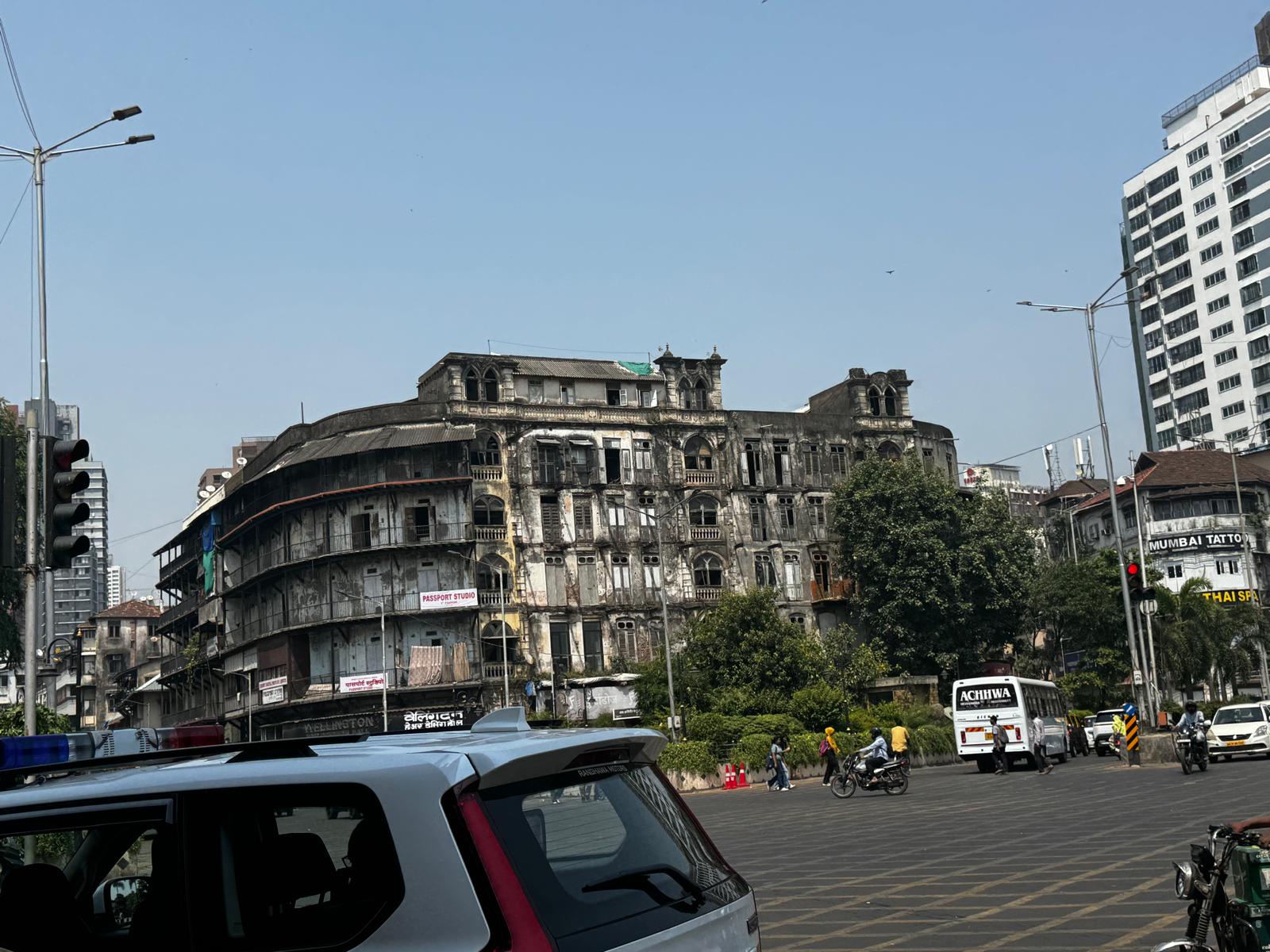
Mumbai draws people from all over India. People arrive for jobs, education, business and the hope of building a better life. That influx is part of the city's identity and success. It would be wrong to blame those who come looking for opportunity.
But a growing city needs infrastructure, housing, public spaces and services that keep pace with its population. When these systems struggle, the impact is felt by residents first—and visitors experience the consequences too.
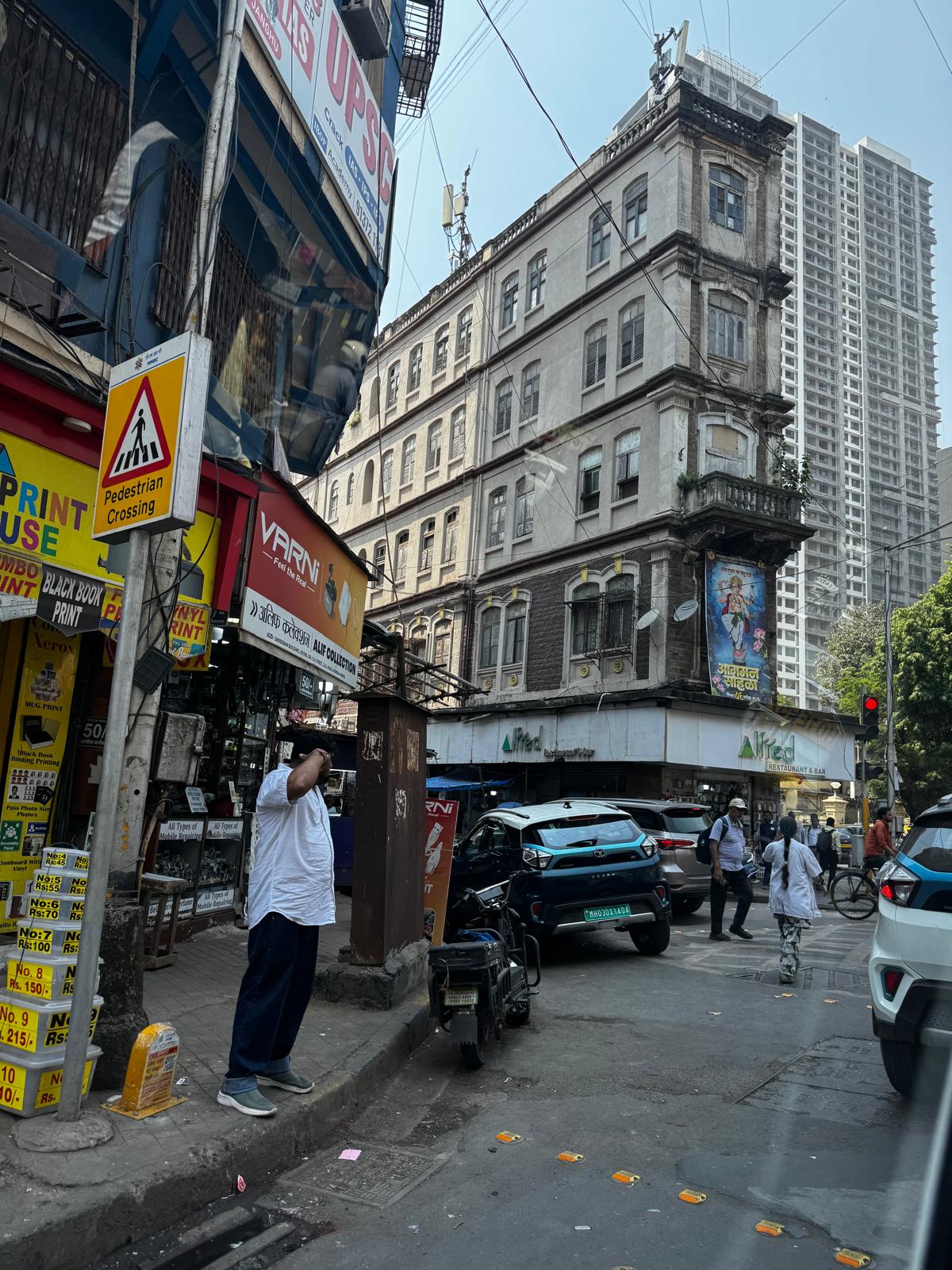
The city cannot control every impression a tourist forms. But it can make sure that the basics do not undermine its attractions.
One thing that caught my attention was how frequently the Dharavi experience featured in Mumbai Darshan travel packages. I didn't take the tour, so I don't know what it includes, but it left me wondering: Why are we selling poverty to foreign tourists?
Dharavi has stories of entrepreneurship, resilience and community worth sharing, but these should be told with dignity, not reduced to an attraction. Tourism should help visitors understand people and their lives, not turn their struggles into a spectacle.
But the bigger question is: Why are we giving away the experience for free?
Here is the part that may be controversial.
During my visit, I found myself wondering why so many places that draw visitors are free to enter, while the city often appears to struggle with maintenance and presentation.
Consider the possibilities.
A historic attraction could have a modest entry fee, clear information, better interpretation and facilities that are maintained to a consistent standard.
The fee should not be a random toll collected at a gate. Visitors should be able to see what they are paying for: a better-maintained attraction, a clean and accessible environment, useful information and an experience that feels worth their time.
Mumbai has the film industry, the history, the stories and the public interest. It should be possible to build a more thoughtful experience around them.
Not every attraction needs to be free. But every paid attraction must deliver value.
A ticket is not a substitute for good management. Charging an entry fee and then leaving an attraction poorly maintained would only make visitors more disappointed.
The order matters: identify the experience, invest in its quality, explain what the fee supports and then charge a fair price where appropriate.
This is also an opportunity to involve private operators, local businesses and communities under clear standards. A well-run attraction can create jobs, support small businesses and generate funds for conservation and upkeep.
The question is not whether Mumbai can charge tourists. It is whether it can give them a compelling reason to pay.
Should Maharashtra promote Mumbai more—or pause and fix the experience?
This is the question I would put directly to Maharashtra Tourism.
The state has publicly committed to integrated marketing, destination branding and tourism infrastructure development. Its tourism policy also places emphasis on investment, infrastructure and the development of tourism experiences.
But I would challenge the priority: before spending more to persuade people to visit Mumbai, should the focus be on making the experience better for those already coming?
Mumbai is not an unknown destination that needs to be introduced to the world. Its name is already familiar. Bollywood, business, food, cricket, history and the city's sheer energy have given it global recognition.
The concern is that promotion without an equally strong focus on visitor experience can create expectations that the destination struggles to meet. If the city is already under pressure, attracting more people without addressing the basics may increase that pressure rather than improve the experience.
So perhaps Mumbai does not need another campaign promising glamour. Perhaps it needs a sharper plan for delivering it.
Has Mumbai lost its magic? Not quite.
I am still trying to work out what I made of Mumbai.
I loved the breeze at Marine Drive. I appreciated the helpfulness of the people I met. The temple visits were satisfying, Phoenix Palladium was enjoyable, and the city's history and energy were impossible to miss.
But the little child in me, who had dreamed of Mumbai for more than 30 years, was disappointed too. I had imagined that the city's glamour, beaches, buildings and celebrity culture would come together in an extraordinary experience. Instead, I found a city full of potential, but one where the quality of the experience was inconsistent.
Perhaps that is the most important takeaway from my visit. Mumbai does not need to become a different city. It needs to make more of what it already has.
It is the city of dreams for millions of people who come to build a future. It is a centre of business, cinema, culture and ambition. Its landmarks do not need to be invented, and its stories do not need to be exaggerated.
But its visitor experience deserves the same ambition that goes into promoting it.
So, Maharashtra Tourism, here is my question: before you spend more money selling Mumbai to the world, can you make sure that the city is ready to welcome the world?
Give visitors a reason to stay longer, explore more, pay for a well-designed experience and leave with stories they are excited to share. Make the city easier to navigate, invest in maintenance and protect the public spaces that give it character.