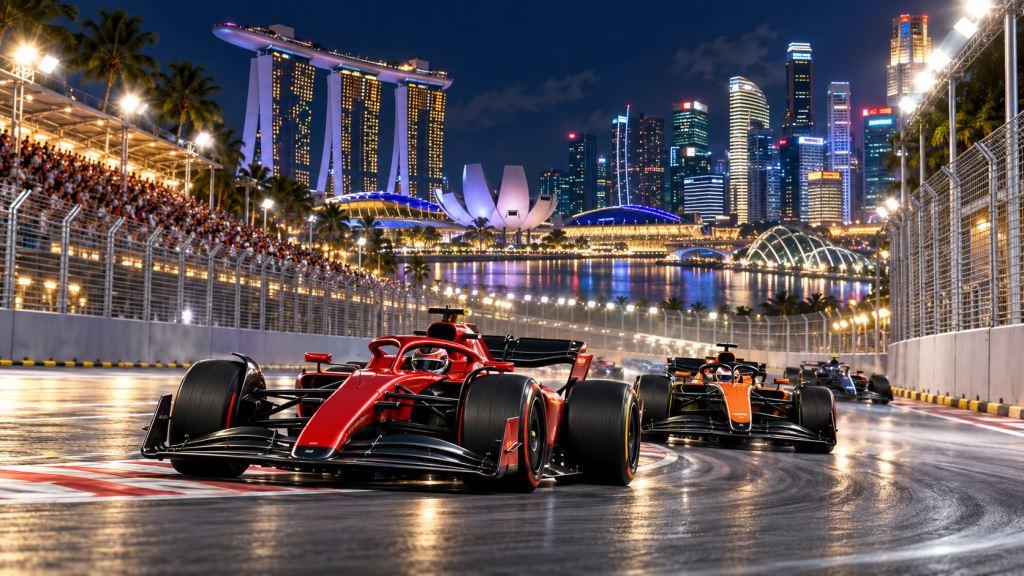
Illustrative view of Formula 1 cars against Singapore’s Marina Bay skyline.
Singapore’s Formula 1 Grand Prix has once again demonstrated why it is much more than a motor race. Over the three days, from October 9 to 11, 2026, the Marina Bay Street Circuit became the centre of international sporting action, major music performances, celebrity appearances and a bustling weekend for businesses across the city.
As the event date was approaching and with air quality deteriorating, concerns were mounting over outdoor activities. There were questions about whether the conditions could affect the programme. Yet the event went ahead, attracted a sell-out crowd and concluded with a memorable victory for Red Bull’s Max Verstappen.
The message from the weekend was clear: Singapore’s flagship sporting spectacle continues to draw global attention, even when conditions are less than ideal.
A sell-out weekend and a record-setting crowd
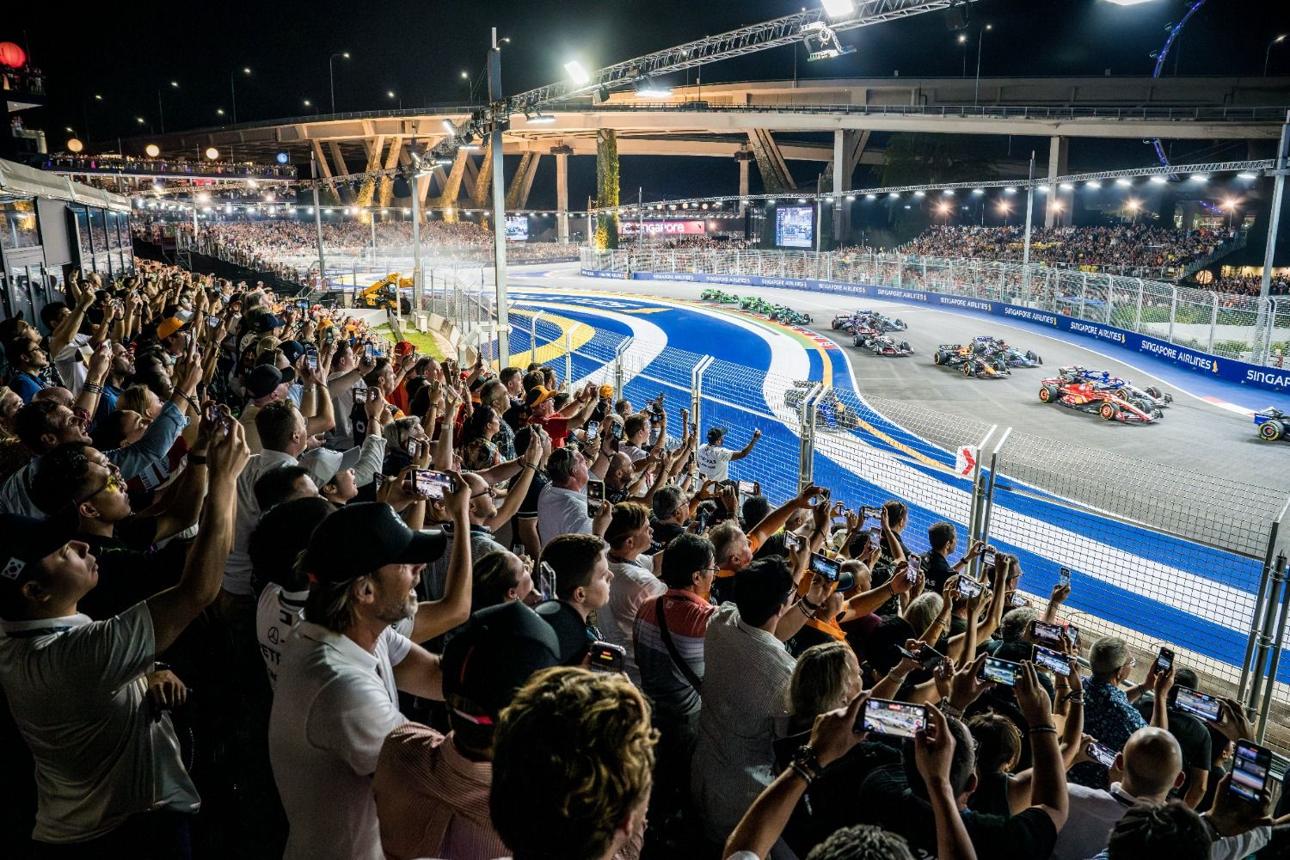
The numbers tell the story. Organisers announced a total attendance of 301,294 across the three-day weekend, making the 2026 edition the second-highest attended Singapore Grand Prix on record and the largest since circuit changes in 2023. The event was sold out.
That figure is particularly significant because it came against the backdrop of haze concerns and a challenging outdoor environment. The previous attendance record was approximately 302,000, set in 2022 before the circuit was modified.
This year also introduced a new attraction: a Formula 1 Sprint race in Singapore for the first time. Max Verstappen won Saturday's Sprint before taking pole position for Sunday's main race, giving fans an additional competitive event during the weekend.
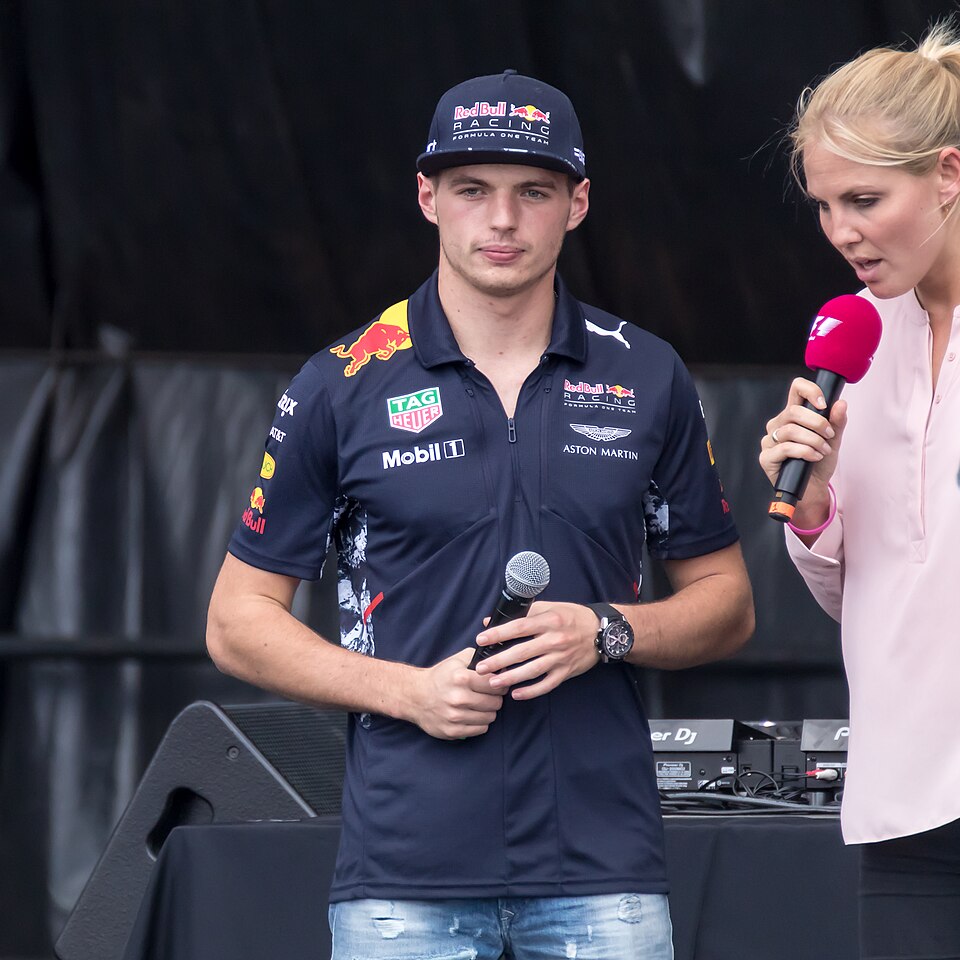
A sold-out event does not mean every spectator attended all three days, but the overall turnout underlines the continuing appeal of the Grand Prix.
Promoting more than a race
Singapore's Grand Prix has long been built around a broader proposition: combine world-class motor racing with entertainment, nightlife, hospitality and the city's iconic waterfront setting.
The 2026 programme continued that approach. The official entertainment line-up was announced in stages, with major international performers added to the bill ahead of race weekend. The organisers promoted a combination of headline concerts, performances across several stages, DJ sets, fan experiences and hospitality packages.
The headline attractions included American rock band The Killers, singer-songwriter Lana Del Rey, pop icon Janet Jackson, home-grown Mandopop star JJ Lin, and James Arthur. The programme also featured the Goo Goo Dolls, Zara Larsson, Mark Ronson, DJ Snake and Major Lazer Soundsystem, alongside other regional and international acts.
The event was given a wider cultural appeal, bringing music fans into the same circuit park as racing enthusiasts. New features included a floating Barge Stage in Zone 1 and an expanded Waterside enclave in Zone 4.
The strategy was to offer visitors a once-in-a-lifetime experience that went far beyond the racing itself.
Bollywood also made their presence felt at the Formula 1
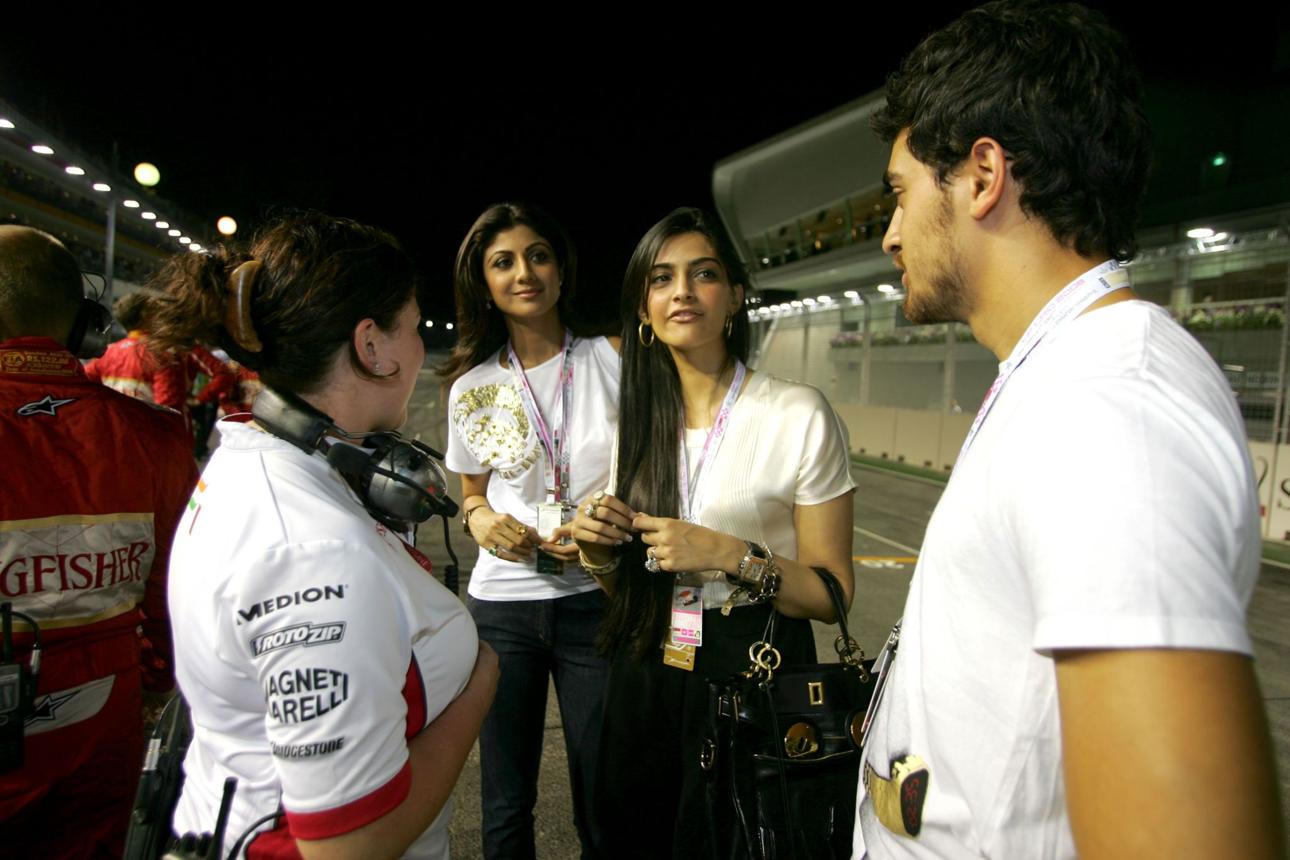
Bollywood actor Kareena Kapoor Khan made an appearance at the Singapore Grand Prix on October 9, drawing attention from fans and entertainment media. Her appearance was also linked to her association with Formula 1 and a collaboration involving Google Android and the McLaren team.
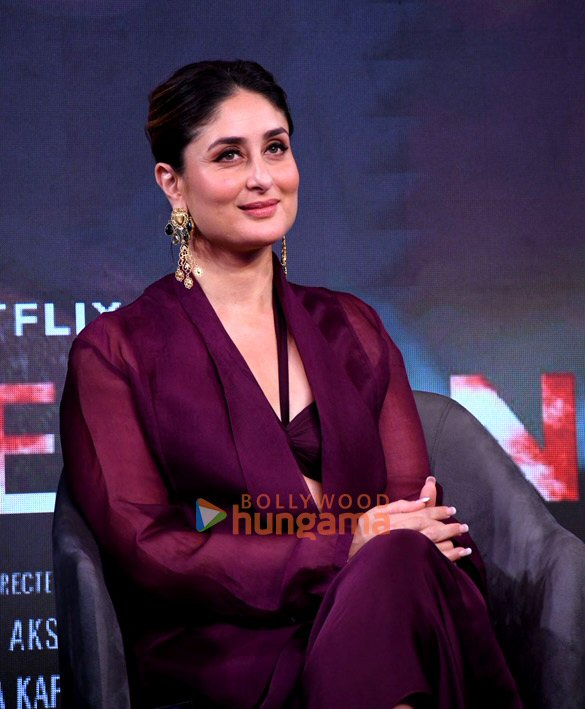
Her interaction with McLaren driver Lando Norris added a light-hearted Bollywood moment to the racing weekend. Kapoor joked about her husband Saif Ali Khan having won a world championship in the 2007 film Ta Ra Rum Pum.
International celebrity interest was another part of the weekend's wider appeal, with entertainment and sporting personalities adding to the attention surrounding the race. However, it is important to distinguish celebrities attending or appearing through brand partnerships from performers officially booked by the race organisers.
For Singapore, these intersections between sport, music, fashion and popular culture help keep the Grand Prix visible to audiences well beyond traditional motorsport followers.
On October 10, the central region recorded a PSI reading of 170 at 4pm, while the other regions recorded readings between 120 and 154. Earlier that day, the central region had reached 192, according to reporting by CNA.
The potential implications could have been serious. An outdoor event of this scale involves drivers, track personnel, performers, spectators and thousands of workers operating for extended periods.
Authorities and organizers therefore prepared contingency measures rather than simply dismissing the risk. The Singapore Tourism Board confirmed plans to keep visitors informed about air quality, provide medical assistance and make N95 masks available at the circuit if required. Singapore GP continued monitoring conditions and said there were no plans to modify the entertainment programme at that point.
The outcome was not disappointing from an event-delivery perspective: the Grand Prix proceeded, its major entertainment programme continued and the final attendance figure confirmed that the haze had not prevented a sell-out weekend.
That does not mean the haze was harmless or that everyone was unaffected. Some spectators reported discomfort, and local diners appeared more cautious than tourists about spending time outdoors. The achievement was that the event continued with precautions despite the challenging conditions.
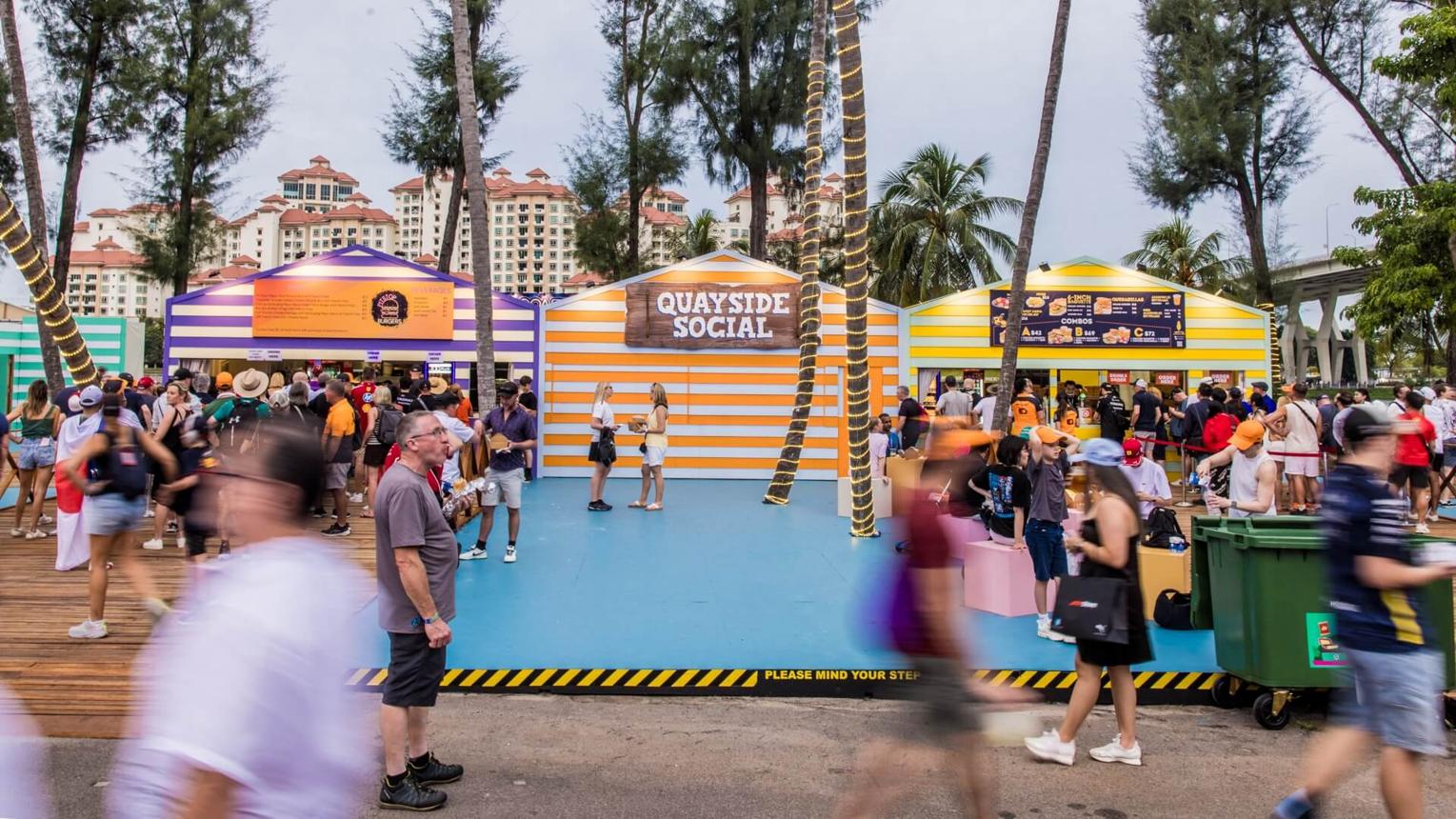
CNA's October 10 report found that restaurants and bars around Raffles City and CHIJMES continued attracting customers despite the haze. Some restaurant operators reported full houses during the week, although they observed fewer local diners in certain locations. Tourists appeared more willing to continue dining outdoors.
The Grand Prix's wider economic significance comes from the spending associated with visitors, accommodation, dining, transport, nightlife and premium hospitality. The 2026 sell-out and strong attendance provide evidence of continued demand for the event, although the precise economic contribution of this year's race has not yet been established by the sources cited here.
The 2026 Grand Prix demonstrated the importance of preparation. The haze was a genuine concern, and the precautions were necessary. The weekend's success should not obscure those risks; rather, it shows how planning, coordination and timely communication can help a major outdoor event continue responsibly under difficult conditions.
With 301,294 attendees and a sold-out circuit, the 2026 edition once again demonstrated Singapore’s ability to deliver a world-class event with efficiency and scale.
Where to verify: This article is general editorial information, not legal, immigration, medical or financial advice. Requirements can change. Check the relevant Singapore government agency or a qualified professional for advice about your situation.