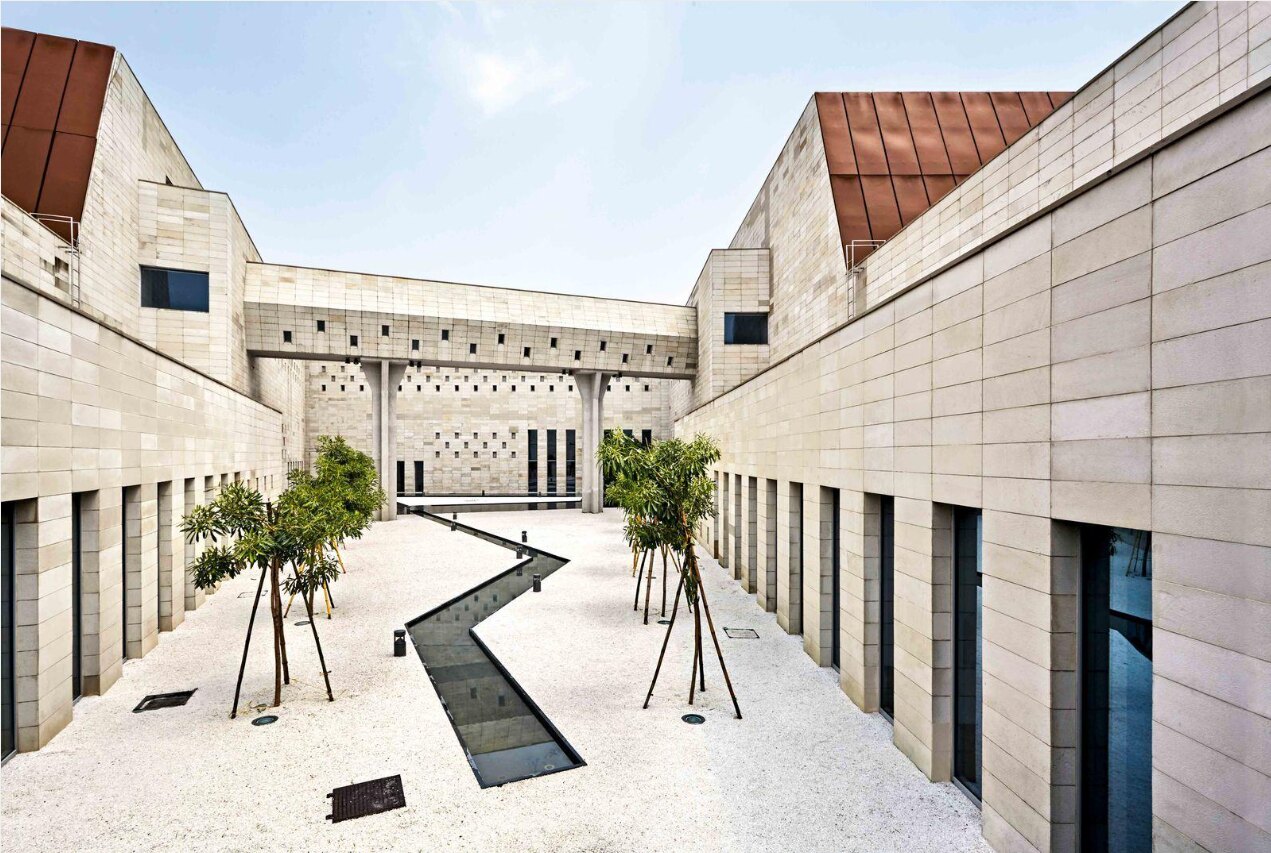
Bihar Museum courtyard. Image: supplied with the article; original photographer not specified.
History is not just a record of where we come from; it is a reflection of who we are and a foundation for what we can become.
Few places in India have a history as extraordinary as Bihar. It was the land of ancient universities, powerful empires, great thinkers and the birthplace of movements that shaped civilisations.
Yet, for decades, the state’s image has often been defined by stories of crime, corruption and what came to be popularly known as “Jungle Raj” or “Goondaraj”.
Now, Bihar has something different to celebrate. Its Bihar Museum in Patna has secured the ninth position in the World’s 100 Best Museums 2026, published by international travel publication Worth a Journey.
It is ranked number one in Asia and is the only Indian museum to feature on the list. On this publisher’s ranking, it has even placed ahead of internationally renowned institutions such as the Louvre in Paris and the Metropolitan Museum of Art in New York.
This recognition is about more than a museum. It is an opportunity for Bihar to rediscover its identity and give the world another reason to visit the state.
The vision behind Bihar Museum
The story began in 2009, when then Chief Minister Nitish Kumar envisioned a world-class museum that could showcase Bihar’s extraordinary cultural and historical legacy.
The existing Patna Museum, established in 1917, had accumulated thousands of artefacts, but limited space meant that many could not be displayed adequately. Rather than simply expanding the old institution, the government decided to create a contemporary museum that could meet international standards.
Anjani Kumar Singh, then Chief Secretary of Bihar, played a key administrative role in bringing the ambitious project to life.
The architectural assignment went to renowned Japanese firm Maki & Associates, led by Pritzker Prize-winning architect Fumihiko Maki, in collaboration with Mumbai-based Studio Opolis.
Construction began in 2013. The museum partially opened in August 2015, with its remaining galleries unveiled in October 2017.
What makes Bihar Museum outstanding?
Spread across approximately 13 acres, the museum is designed to make history an experience rather than simply a collection of objects.
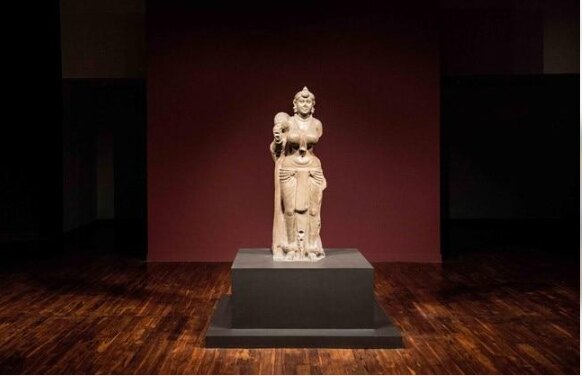
Among its most celebrated attractions is the Didarganj Yakshi, a remarkable Mauryan-era sandstone sculpture known for its polished finish and exquisite craftsmanship.
Its historical galleries take visitors through the Mauryan, Sunga, Kushana, Gupta and Pala periods, showcasing the civilisations, art and religious traditions that shaped the region.
Other highlights include:
- Visible Storage: An opportunity to see collections of ancient coins, terracotta objects and sculptures that would otherwise remain behind closed doors.
- Children’s Gallery: Interactive learning spaces that introduce younger visitors to history, science, culture and art.
- Regional Art Gallery: Celebrating Bihar’s artistic traditions, including its folk expressions.
- Diaspora Gallery: Exploring the influence and presence of Biharis across the world.
- Contemporary Art Gallery: Connecting Bihar’s historical identity with India’s evolving artistic landscape.
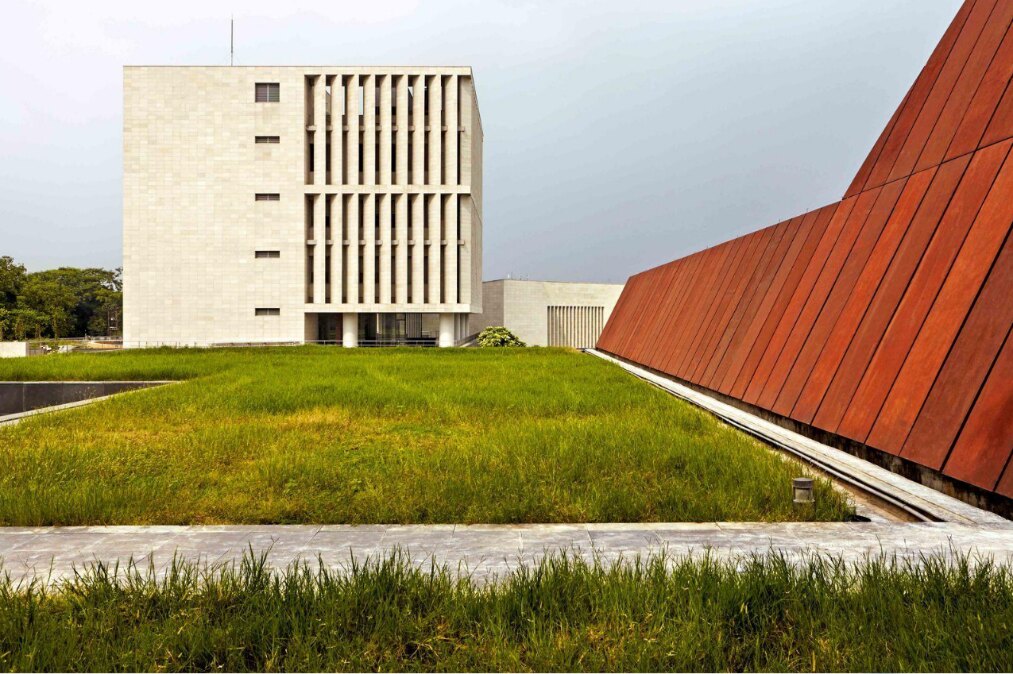
The museum’s architecture, landscaped courtyards, visitor facilities and thoughtfully organised galleries complete the experience.
A new opportunity for Bihar tourism
This is where the real opportunity lies. Bihar Museum can become an important anchor for the state’s tourism economy.
Bihar already attracts international visitors to Bodh Gaya, one of the world’s most significant Buddhist pilgrimage destinations. It also has Nalanda, Rajgir, Vaishali, Pawapuri and the historical legacy of Pataliputra.
Yet, these destinations are often explored individually rather than as part of a larger tourism experience.
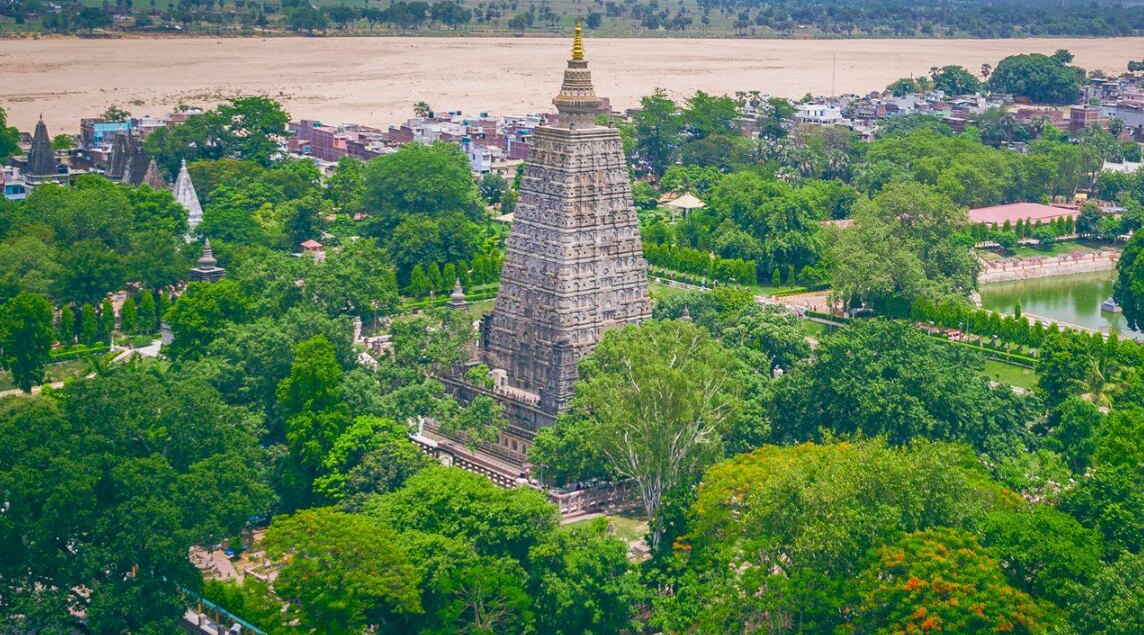
The museum can connect these stories. A tourist visiting Bodh Gaya could extend the trip to Patna and explore the museum. Someone travelling to Nalanda could combine the visit with Patna’s cultural attractions.
This creates an opportunity to develop multi-day heritage and Buddhist tourism circuits rather than encouraging visitors to leave Bihar after visiting just one destination.
There is also an economic opportunity. More visitors mean greater demand for hotels, restaurants, taxis, tour operators, local guides, handicrafts, souvenir shops and cultural experiences.
Local artisans, particularly those working with Madhubani painting and other traditional crafts, could benefit from curated exhibitions and retail opportunities. Young people could build careers in tourism, hospitality, interpretation and heritage management.
The people of Bihar must also become ambassadors of their own heritage. Schools and colleges should organise regular museum visits, families should make it part of their weekend outings, and tour operators should include it in domestic and international travel packages.
How can you visit Bihar Museum?
Getting to Patna
For visitors from within India, Patna is accessible by air, rail and road. The museum’s official visitor guide describes it as approximately 10 minutes from Patna Airport and Patna Junction; allow extra time for traffic.
International tourists can fly into Patna through connecting international gateways such as Delhi, Mumbai or Kolkata.
Already visiting Bodh Gaya? Add Patna to your itinerary
Bodh Gaya is approximately 110–115 km from Patna by road. Visitors can hire a taxi or take a bus, while train services connect Gaya with Patna.
Allow around three hours or more for the road journey, depending on traffic.
| Address | Nehru Path, Patna, Bihar 800001 |
|---|---|
| Gallery timings | 10 AM–5 PM |
| Weekly closure | Mondays |
| Indian adult entry | ₹100 |
| International adult entry | ₹500 |
Visitor details checked against the museum’s official visitor guide on 30 October 2026. Check the museum’s official website for updated ticket prices, holiday closures and visitor information before travelling.
Changing the narrative, one visitor at a time
Bihar cannot rewrite its history, but it can reshape the narrative of its future.
The state needs more institutions that celebrate its achievements, more tourism infrastructure that makes travelling comfortable and more opportunities for local communities to earn from their cultural heritage.
The Bihar Museum has shown that a world-class institution can emerge from a state that is not traditionally associated with international tourism.
Its recognition should encourage Bihar’s people to take pride in their heritage and encourage outsiders to look beyond outdated perceptions of the state.
Perhaps the next big achievement should not be another international ranking, but a steady increase in tourists, local businesses, employment opportunities and visitors discovering Bihar beyond Bodh Gaya.
After all, a state’s heritage is not just something to be remembered. It is an asset that, when preserved and presented well, can help build its future.
Sources
- Worth a Journey — Bihar Museum, World’s 100 Best Museums 2026.
- Bihar Museum — official website and Plan Your Visit guide, consulted 30 October 2026.